

I have installed solar lights across dozens of yards, and solar panel lights one thing always stands out: people buy fixtures before they know why they need them.
solar panel lights work best when every choice has a clear reason behind it. Let’s walk through how to plan, place, and maintain them the right way.
solar panel lights
Before you buy anything, walk your yard after sunset and note where illumination actually matters, such as a front step with an uneven edge, a gate, or a set of entrances that feel too dark.
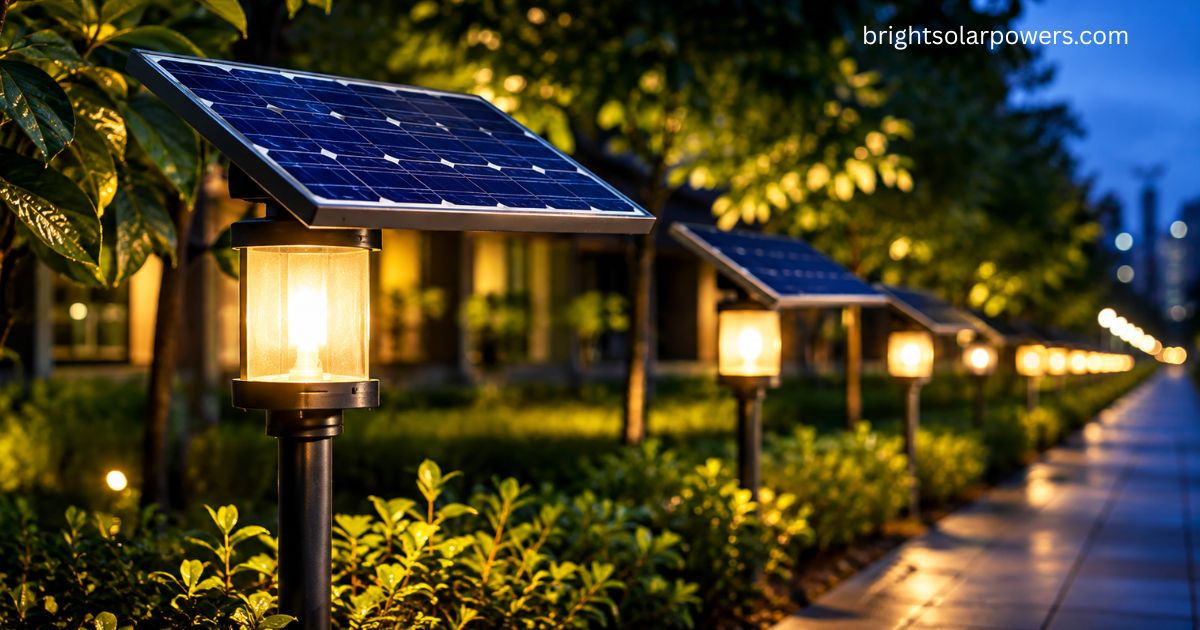
A side path often needs a sequence of low lights spaced at regular intervals rather than one bright beam, while a patio benefits from soft ambient light that supports quiet conversation.
Start With the Purpose of Each Light
Narrow paths, changes in level, and an address marker all call for safety lighting first, task lighting near grills, work surfaces, locks, and outdoor storage areas second, and accent lighting on trees, planters, or architectural details last.
Since a focused fixture aimed with real purpose creates a calmer outdoor environment than scattering bright fixtures everywhere out of habit, and avoiding overbuying cuts down on unnecessary lighting across the whole landscape.
Match the Solar Panel to the Site
Solar lights depend entirely on sunlight, so I always check a spot in the morning, at midday, and again in the afternoon before deciding on fixture placement.
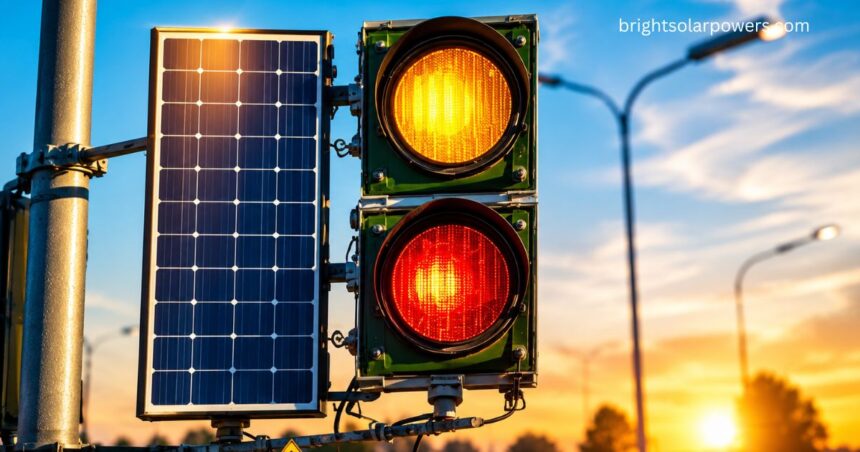
Shadows from rooflines, fences, and neighboring buildings shift across several hours, and a fixture that looks perfect beside a dense shrub solar panel lights may not collect enough direct light or available sunlight to recharge properly through the daytime; in that case, moving to a separate solar panel in a sunnier location solves the problem.
Seasonal changes matter too, since the same spot can lose summer sun once winter lowers the angle of light, and routine yard maintenance, like wiping off dust, pollen, fallen leaves, and snow, along with keeping sprinklers from leaving mineral deposits on the panel, keeps your solar energy collection reliable for the practical uses you actually need.
Choose Durable Lighting for the Conditions
Outdoor fixtures face moisture, wind, heat, cold, and ultraviolet exposure, so solar outdoor lighting needs real weather resistance built in from the start.
A decorative fixture made for a covered porch rarely holds up beside an exposed driveway or in a garden bed, and checking the battery type along with replacement options tells you whether the entire light is worth buying, since rechargeable batteries lose capacity over time.
I always look for durable construction, accessible solar panel lights components, and a design that can be cleaned or repaired, because repairability and a replaceable battery matter far more for long-term durability than a low price tag.
Use Less Light, More Precisely
Brightness is not the same as visibility, and an exposed light source creates glare that actually hurts a person’s eyes trying to adjust to surrounding darkness.
Low path lights should send direct illumination onto the walking surface and ground instead of shining horizontally, while wall-mounted fixtures work better with shielding or downward-facing optics that stop light escaping toward the sky.
For landscape accents, a narrow beam aimed at one specific surface beats a broad wash covering the yard, so start with fewer fixtures, test them temporarily from several directions, and only fill a real dark gap, since this habit cuts down on visual clutter.
Respect Wildlife and the Night Sky
Outdoor lighting shapes more than just human activity, and artificial light at night disturbs insects and wildlife when it stays blue-rich, harsh, or runs continuously through the night.
The National Park Service recommends the minimum solar panel lights amount of light needed, so I favor warm light over cold tones and avoid spills near sheds or side entrances, following wildlife-friendly outdoor lighting habits wherever possible.
Motion sensors near gates work well because the light only activates when needed, and timers or selectable operating modes cut down late-night illumination and overall light pollution.
Plan for Real-World Performance
Solar lighting output shifts with cloud cover, panel size, battery health, and the season, so never judge a fixture from one bright day alone.
I test important spots after several cloudy days as well as sunny ones, since actual conditions reveal the truth about performance and daily run time far better than a showroom demo.
If a decorative solar fixture cannot deliver reliable solar panel lights illumination where safe access truly matters, adjust the operating schedule, relocate the panel, or check the battery condition rather than trust it blindly.
Create a Simple Maintenance Routine
A short routine keeps every fixture working: wipe the panels and lenses, trim plants and foliage blocking sunlight, and tighten mounts a few times a year.
Check for trapped moisture or damaged wiring solar panel lights between a remote panel and its fixture, follow the product instructions for swapping rechargeable batteries, and send old ones to a proper recycling program.
As a garden border matures, reassess whether solar panel lights each of your solar fixtures still sits in a useful location, since moving one light is far better than leaving it forgotten.
Final Thoughts
Good solar panel lights start with restraint, not more wattage. Give each fixture adequate sunlight, choose durable fixtures built for solar panel lights real safety and usability, and stick to warm-white light, shielding, and sensible operating times to avoid unnecessary light.
This kind of thoughtful solar lighting, paired with motion control and attention to every task requirement, protects both your environmental solar panel lights value and a genuinely sustainable future proof that solar energy, used responsibly, still delivers all the illumination a home really needs.
FAQS About Solar Panel Lights
What type of light is best for solar panels?
LED lights pair best with solar panels since they use little power for strong illumination. They also last much longer, making your solar energy investment truly worth it.
Which is the best solar light for home?
A solar light with its own solar panel and motion sensor suits most homes well. It gives steady illumination at the gate or entrances without wasting energy.
How much does a 200 watt solar light cost?
A 200 watt solar street light usually costs between ₹8,000 and ₹15,000 in India. Better battery quality and stronger durability push the price toward the higher end.
What is the price of a 60w solar street light?
A 60 watt solar street light typically costs between ₹3,500 and ₹6,000 locally. Price depends on panel size, brand name, and included poles or brackets.