

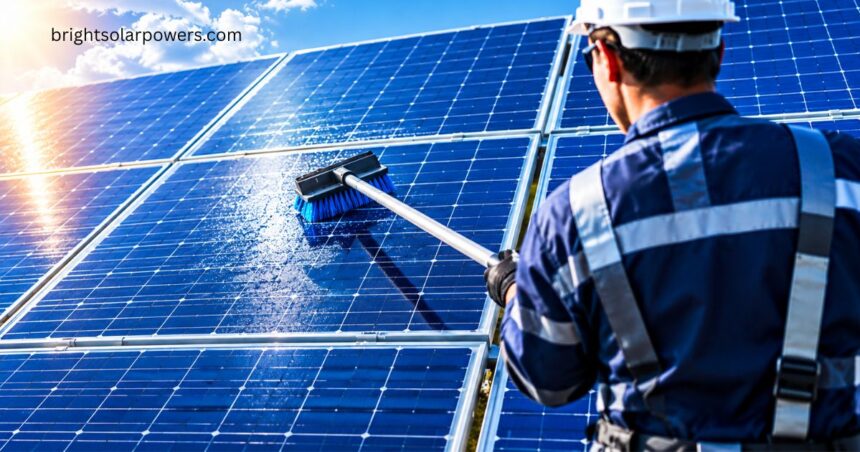
The solar panel installation process moves through clear stages, from your first call to the day your system starts making power.
Many local installers report four to ten weeks from signed contract to switch-on. This guide explains each stage in plain words, so you know what to expect and what to ask.
solar panel installation process
Start with a free solar analysis and a solar consultation from a local installer. Your installer reviews your summer bills during an electric bill review, because air conditioning drives most of your energy usage
I always tell homeowners to gather twelve months of bills before that first call. Your installer uses them to map your load requirements, including pool pumps, EV chargers, and evening cooling. Mention future plans too, because a new pool or an electric car changes your system size.
What happens during the site visit?
A technician walks your property for the site visit, solar panel installation processchecking your roof, attic, and electrical equipment. This site assessment, which some companies call a technical home assessment, confirms that your home can carry solar safely.
It also reveals the true solar potential of your roof, which beats any guess from satellite photos.
The technician checks roof condition, roof orientation, and roof pitch, then runs a shade analysis using sunlight readings and a drone inspection.
A structural inspection and an attic inspection follow, solar panel installation process and the technician photographs your electrical main service panel to see if it can take more load. These checks decide system feasibility, so I never skip them.
How do installers design a system that fits your home?
Engineers turn your site data into a custom solar design and a customized proposal. The proposal should list system sizing, a cost breakdown, solar panel installation process estimated savings, and an installation timeline. Compare those four items line by line before you sign anything.
The city’s SolarAPP+ review, for example, accepts rooftop systems that add no more than 4 pounds per square foot of weight. I like proposals that include layout drawings, because they prove the installer studied your roof.
Which equipment goes on a Phoenix roof?
A typical PV system combines solar panels, an inverter, mounting hardware, and wiring. Each panel holds photovoltaic cells that turn photons solar panel installation process from sunlight into direct current (DC). That same unit handles DC to AC conversion, so your home can use alternating current (AC) and send extra power to the electricity grid.
Choose high-efficiency panels if your roof has limited space, because every square foot counts. Phoenix roofs run hot, so compare panel efficiency and the temperature coefficient on each spec sheet.
Should you choose microinverters or a string inverter?
Choose microinverters if shade, tight layouts, or per-panel tracking matter to you. A string inverter costs less and works well on open, unshaded roofs. Both convert power reliably, but they behave differently when one panel underperforms.
Enphase microinverters sit under each panel, so one shaded panel does not drag down the rest. A hybrid inverter manages panels and batteries together, which suits homeowners planning storage. Ask your installer to explain the failure points of each design before you decide.
What hardware holds everything together?
Mounting rails, a racking system, and a mounting structure hold your panels safely above the roof. Crews fasten them with stainless-steel lag bolts driven into the rafters, not just the roof deck. They favor aluminum components because aluminum resists corrosion and stays light.
Wiring starts with DC cabling from the panels, then travels through conduit runs to your electric panel. Crews secure all cables, complete grounding and earthing, and tuck wiring beneath the panels for a cleaner look. A smart electric panel can add load control, while your utility meter records what you import and export.
Do you have options besides a standard rooftop array?
Yes, you can choose roof-mounted solar, ground-mounted solar, a solar carport, or solar shingles. A carport also shades your car during a Phoenix summer.
GAF solar shingles replace part of your roofing and look sleek, but they usually cost more. Ground arrays suit large lots and stay easy to clean
Which permits does Phoenix require for solar?
The Fire Department also requires a separate permit for solar and battery systems. Your solar panel installation process installer usually handles this permitting, and together these government approvals keep your system code-compliant.
The city accepts SolarAPP+ designs for many single-family rooftop projects, which speeds up review. Residential systems from 3 kW to 15 kW AC can qualify for an over-the-counter fire permit. Your installer prepares the documentation and paperwork, but I still ask for copies.
How does APS or SRP connect your system to the grid?
Your utility must grant utility approval before you switch anything on. Your installer files an interconnection application with Arizona Public Service (APS) or Salt River Project (SRP). After approval, your grid-tied system gets its grid connection and can export power.
APS replaced one-to-one net metering with solar panel installation processexport credits in 2017, and it locks your export rate for ten years. SRP moved new solar customers to different rate plans in November 2025, including plans with demand charges.
Ask which plan fits your habits, because your rate plan changes your savings as much as your hardware does.
What happens on installation day?
On installation day, a trained installation crew mounts the panels and wires the system. The quick installation causes minimal disruption, and most residential crews finish in one to three days. Expect early starts, because crews avoid Phoenix afternoon heat.
First comes roof preparation, and any roof repair or roof replacement should happen before panels go up. Then the crew handles rail attachment, panel mounting, and panel placement. Next come electrical wiring, conduit installation, and inverter installation, in that order.
Who should you trust on your roof?
Hire a licensed contractor who employs a certified technician and a NABCEP certified lead on every job.
The Arizona Registrar of Contractors lists solar panel installation process licenses online, so check the number before you sign. A solid crew leader answers technical questions without dodging.
A project manager should update you at every step and answer questions quickly. Many firms deliver turnkey solar projects as an EPC contractor, handling end-to-end installation from design to switch-on. That setup gives you a hassle-free installation and one phone number to call.
How do inspections and switch-on work?
After the crew finishes, the city runs a final inspection, and your utility may run its own utility inspection.
Your installer also completes an installation inspection to test every connection. Passing all three clears the way for system commissioning.
Once the utility issues permission to operate (PTO), the crew finishes system activation.
Wait for that approval before you flip the breaker, solar panel installation processbecause exporting power without it can trigger penalties. Many Phoenix installers report five to seven weeks from contract signing to this point.
Should you add a battery to your Phoenix solar system?
Add battery storage if you want battery backup during outages or better control of evening power use. APS and SRP pay low rates for exported energy, solar panel installation process so storing midday power for sunset often beats exporting it. That strategy also boosts solar self-consumption.
A whole-home backup setup with a Tesla Powerwall or Enphase IQ Battery keeps essentials running. Many storage products use a LiFePO4 battery, a deep cycle battery chemistry known for safety and long life. A stackable battery lets you add capacity later, and a battery management system protects every cell.
What do on-grid, off-grid, and hybrid systems mean?
An on-grid system stays connected to the utility, an off-grid system runs alone, and a hybrid solar system connects to both the grid and a battery.
Phoenix homeowners usually choose on-grid or hybrid designs, because off-grid setups need large, costly batteries. The grid acts as your safety net.
A battery energy storage system (BESS) uses an energy management system to deliver backup power, peak shaving, and load shifting. These features solar panel installation process raise energy resilience during summer grid stress. Businesses build a microgrid, while homeowners usually pair solar plus storage with EV charging.
How much does solar cost in Phoenix?
The average Phoenix system costs about $2.30 per watt, according to EnergySage’s July 2026 data. A typical 14.56 kW system runs about $33,511 before incentives, while a 5 kW system costs about $11,505.
Treat these numbers as a starting point, because your solar cost depends on size, equipment, and roof difficulty.
Request a free solar quote from at least three installers and compare the upfront cost per watt. Ask each one about hidden costs, such as electrical upgrades solar panel installation process, roof work, and permit fees. I also compare equipment lists line by line, because a cheap quote often hides cheap parts.
Should you pay cash, take a loan, or lease?
A cash purchase gives the best long-term math, a solar loan spreads the cost, and a solar lease lowers your first bill. Compare lease vs purchase carefully, because ownership affects which incentives you can claim. Many installers also advertise $0 down solar, so read the fine print.
Smart solar financing includes a prepay option and a clear rate lock on your payment. Leases can shield you from utility rate hikes, but some contracts include yearly price increases. I always ask for the total lifetime payment in writing.
Is solar worth it in Phoenix?
Yes, solar pays off for most Phoenix homeowners. EnergySage estimates the average Phoenix homeowner saves about $38,696 over 25 years after paying for the system. Your payback period and return on investment depend on your rate plan, battery choice, and daytime consumption.
You also gain electricity bill savings, steady monthly savings, and strong long-term savings as rates change.
A paid-off system usually lifts your resale value, and Arizona exempts solar from added property tax. Most of all, you gain energy independence from rising bills.
What incentives can you still claim in Phoenix?
Arizona offers a state credit worth 25% of your system cost, up to $1,000. The federal 30% residential credit ended for systems placed in service after December 31, 2025. Check current tax credits and solar incentives with a tax professional before you sign.
Leased systems do not qualify for the Arizona credit, but their owners may pass along federal value through lower pricing.
Arizona also exempts solar equipment from state sales tax. Rebates and solar subsidies change often, so ask your installer which ones apply today.
What warranties should you expect?
Expect a product warranty, a performance warranty, and a power warranty on your panels. Many panels carry a 25-year warranty that covers defects or output loss.
Your installer should also offer a labor warranty and a roof warranty for the holes they drill.
Check the inverter warranty separately, because solar panel installation process it usually runs shorter than panel coverage. Output fades slowly through panel degradation, and a typical system lifespan reaches 25 years or more. Get every term in writing.
How do you keep a Phoenix system running well?
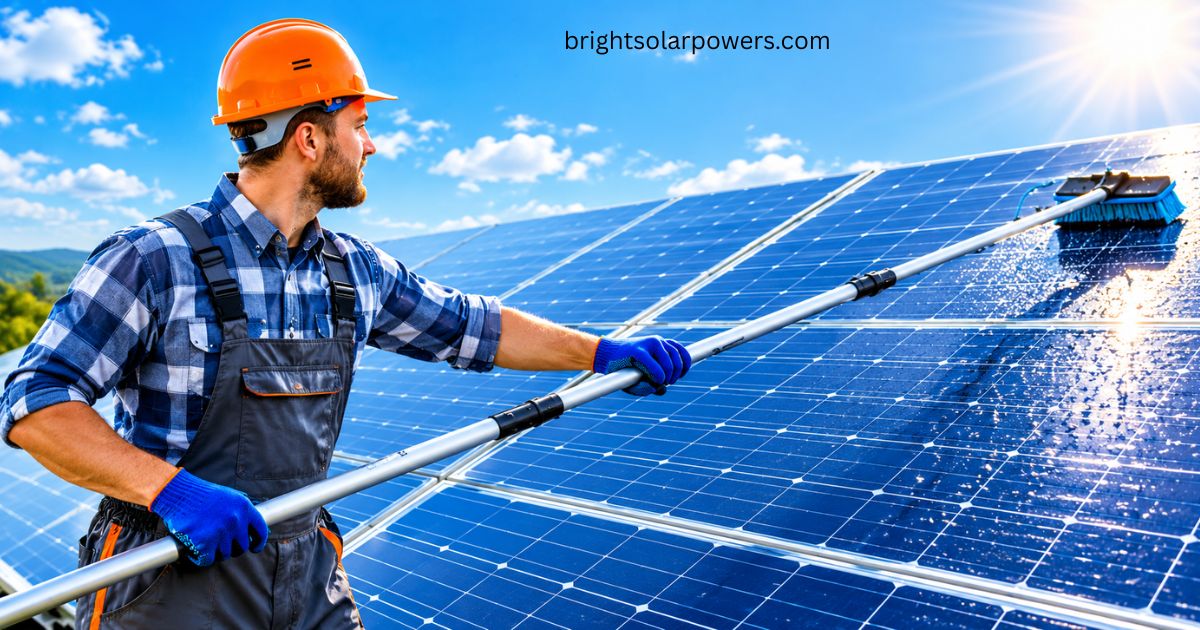
Plan simple solar maintenance, because Phoenix dust and monsoon storms coat your panels quickly. Schedule panel cleaning after major dust events and use a soft brush with water. Winter maintenance stays light in Phoenix, mostly a quick visual check.
A monitoring system gives you live monitoring and remote monitoring from your phone, which supports performance tracking.
Dips in energy production or power output flag problems early. Strong post-installation support and responsive customer support matter as much as hardware.
Do panels survive Phoenix heat and storms?
Yes, quality panels handle Phoenix heat, though output dips on the hottest afternoons. Good weather resistance helps them survive extreme weather, including monsoon wind and dust. Choose hail-resistant panels if hail often hits your neighborhood.
Heat lowers system efficiency slightly, so airflow under the array matters. On overcast days, cloudy day output drops but never stops, because diffused sunlight still reaches the cells. Nighttime output stays at zero, so batteries matter.
Does solar really help the environment?
Yes, solar gives you clean energy that cuts your carbon footprint. Every kilowatt-hour your roof makes often replaces power from a plant that burns fuel. That shift creates real environmental benefits, including reduced pollution and a measurable CO2 offset.
As a renewable energy source, solar supports sustainable energy goals across your community. Pair it with LED lighting, smart thermostats, and better insulation for stronger home energy efficiency. I suggest fixing those cheap items first, because lower demand means a smaller, cheaper system.
How do Phoenix rules differ from solar rules in India?
In India, you need DISCOM approval before the grid accepts your system, much like APS or SRP sign-off in Phoenix. Many states require a DISCOM-empanelled vendor to install it.
You also need net metering approval to export surplus power.
Indian homeowners often begin with the solar panel installation process PM Surya Ghar Muft Bijli Yojana and its online registration portal, which links to national government schemes.
State rules vary, so check solar by state before you apply. A local solar panel installation company can guide solar in Delhi NCR projects through every step.
Does the same process work for apartments, societies, schools, and businesses?
Yes, the same stages apply, but approvals and sizing change. Residential rooftop solar suits independent houses, while solar for apartments and housing society solar need group consent and shared roof space. Solar for schools often depends on government funding.
Residential solar projects stay the simplest of all. Commercial solar, industrial solar, and institutional solar use larger systems and often solar panel installation process sign an annual maintenance contract (AMC). Those bigger projects also need deeper engineering and longer approval timelines.
Frequently Asked Questions
Can you install solar panels yourself in Phoenix?
You can try, but I do not recommend it. Roof work in Phoenix heat, electrical hookups, and utility approvals all demand real experience. A licensed crew also protects your warranty and your roof.
Will solar keep your lights on during a blackout?
Standard grid-tied systems shut down during an outage for safety reasons. A battery with a backup gateway keeps selected circuits running. Ask your installer which circuits the battery can cover.
How soon do savings start after installation?
Savings start once the utility grants approval and your system begins producing power. Your first bill usually shows lower grid use right away. The full picture appears after a full year, because summer and winter bills swing so much.
Do you need a new roof before going solar?
You need one if your roof will not last as long as the system. Removing and reinstalling an array later costs extra money. Ask your installer to check your roof’s age and remaining life.