

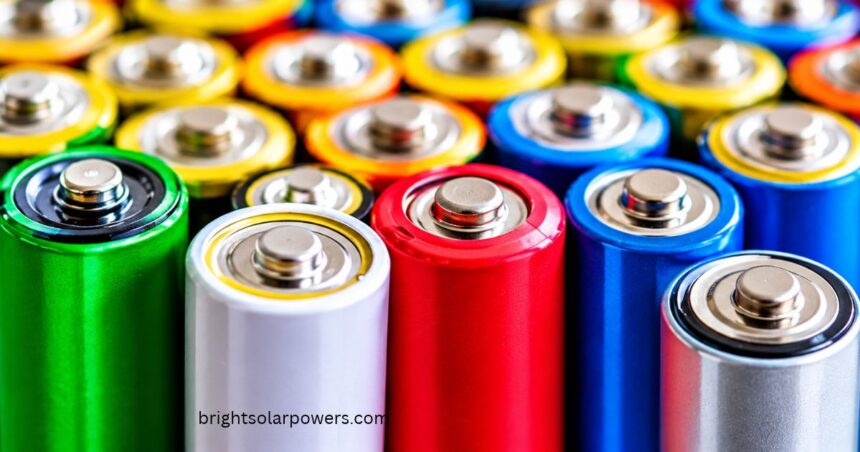
Lithium battery fire safety tips Miami residents need start with a simple fact: these cells power almost everything you carry.
A single defective battery can turn a quiet evening into a fire hazard within minutes. This guide covers the risks, the warning signs, and the habits that protect your home.
Lithium Battery
A lithium-ion battery is a rechargeable battery that moves lithium ions between two electrodes to store and release power. People shorten the name to Li-ion, and the same cells run your cell phones, laptops, and tablets. Miami homes use them every day, so the risks follow you indoors.
These cells also power smartphones, digital cameras, power tools, and other portable electronics.
Shoppers pick consumer electronics lithium battery with a lightweight battery because the device feels easier to carry.
How does a lithium-ion battery work on the inside?
A cathode and an anode sit apart inside the cell, and an electrolyte carries charge between them. A thin separator keeps the two sides from touching. During use, ion flow moves across the cell from one side to the other, and charging reverses that trip.
The positive electrode usually holds a metal oxide, while the negative electrode relies on porous carbon. On one side, oxidation frees electrons that power your device. On the other side, reduction absorbs them and keeps the loop running.
What voltage does a typical cell use?
Most cells run at a nominal cell voltage near 3.6V, which lets a single cell power a phone directly. The charge limit voltage for common cells sits at 4.2V, while phosphate cells stop lower at 3.6V. Chargers must respect that ceiling every time.
Battery University lists 3.30V as the working lithium battery voltage for phosphate cells. The numbers differ by chemistry, so never mix chargers between devices. A mismatched plug can push a cell past its safe range.
Which materials make one battery different from another?
Makers choose a cell chemistry to balance power, battery life, and safety. Popular picks include lithium cobalt oxide, lithium manganese oxide, and lithium iron phosphate (LFP). Each battery chemistry gives up one strength to gain another.
Two more blends, nickel manganese cobalt (NMC) and nickel cobalt aluminum oxide (NCA), mix power with capacity.
Spec sheets abbreviate the others as lithium battery Li-cobalt, Li-manganese, and Li-phosphate. A lithium-ion polymer pack, also called Li-polymer, changes the build instead of the chemistry.
What do anodes change about a battery?
Most cells today use a graphite anode because it gives a smooth, steady output. Labs also test a silicon anode and silicon-based alloys to pack in more energy. A lithium titanate option offers excellent safety but stores less.
Sony’s first cell used a coke anode before most makers changed materials in 1997. Researchers now test nano-structured materials to boost speed and lifespan. Early experiments with lithium metal failed when dendrites grew and caused a short circuit.
When did lithium-ion become the common battery?
The Sony 1991 commercialization of the first cell turned a lab idea into a product. Lithium has the greatest electrochemical potential of any metal, which gives designers great energy density. These cells made up about 38% of battery market revenue by 2009.
Anyone curious about battery history will see a steady fall in manufacturing cost. In 1994, a 1,100 mAh cell cost more than $10 to make, and by 2001 a stronger cell cost about $2. That drop helped the 18650 cell spread through notebook computers.
What battery shapes should I know about?
A laptop pack often hides several cylinders, while slim phones favor flat pouches. Each shape changes battery capacity and how heat escapes.
Specific energy tells you how much energy a cell stores per kilogram, measured in Wh/kg. Specific power shows how much load it handles, while power density and high energy density describe the same ideas in broader terms. Apple says these cells charge faster and last longer than older designs.
How long does a lithium-ion battery last?
A charge cycle counts every time you use 100% of the capacity, even across several days.
Apple designs its cells to keep 80% of original capacity through a high number of cycles, and that number varies by product. Your battery lifespan shrinks as the count climbs.
Engineers separate cycle life, service life, and battery longevity into distinct ideas. Battery University lists anywhere from 500 to 2,000 lithium battery cycles, depending on the chemistry. Falling capacity retention shows up as capacity fade or sudden capacity loss, which you notice as shorter days.
What makes a battery age faster?
Heat, rough charging, and simple time all wear a cell down. Battery aging also raises internal resistance, which makes the pack run warmer. Low self-discharge helps, since these cells lose less than half as much charge as older chemistries.
A good fuel gauge tracks state of charge, while state of health shows how worn the pack is. These cells need low maintenance and show no memory effect, so you never have to exercise them. Still, deep discharge can harm a cell, so recharge before it hits zero.
How should I charge a lithium-ion battery safely?
Use the battery charger and charging cord that came with your device. A manufacturer’s charger matches the cell’s voltage, and the correct power adapter keeps heat down. Plug it into a wall outlet and skip the extension cord, as FDNY advises.
Good charging habits double as safe charging practices, so unplug when you reach your charging limit. Overcharging stresses a cell, which is why optimized charging helps if your phone offers it. These steps prolong battery life and keep temperatures low.
Is fast charging bad for my battery?
Not on its own. Apple’s cells use fast charging to reach an 80% charge, then switch to trickle charging. This plan saves you time, and software may limit charging above 80% when temperatures run high.
Those charging stages ease the current to lithium battery extend life. Slow charging overnight stays gentle, while ultra-fast charging and USB charging from weak ports behave differently. Wireless charging tends to run warmer, so keep the pad uncovered.
How can I make my battery last longer?
A partial charge stresses a cell less than a full charge. Keep the charging temperature near room level. Charge time stretches as a pack ages, which signals wear.
Run battery calibration only when your gauge looks wrong, because it fixes the reading rather than the cell.
Apple says you can charge whenever you like, with no need to drain the battery first. Practical tip: set a nightly phone reminder to unplug anything that feels warm.
Why does heat matter so much in Miami?
Heat speeds up chemical wear and raises fire risk. Aim for room temperature storage and keep every device out of direct sunlight. A parked car in a Miami summer can bake a phone or power bank.
Every pack has a safe operating temperature range. Hot weather matters more here than low-temperature performance, which suffers in cold. Hurricane season runs June 1 to November 30, so many families also stock backup power for outages.
What is thermal runaway in a battery?
Thermal runaway happens when a cell heats itself faster than it can cool. Battery University describes the worst outcome as venting with flame. Once it starts, unplugging the charger will not stop it.
In early experimental cells, tiny metal spikes pierced the barrier, and heat climbed toward the melting point of lithium.
Battery University lists lithium battery trigger temperatures from about 150°C (302°F) to 270°C (518°F), depending on chemistry. Modern cells run safer, but a hot or damaged pack still risks overheating.
How do makers keep these cells from catching fire?
A good pack carries a protection circuit that cuts power during overvoltage and overcurrent. Cell balancing keeps each cell at the same level inside a multi-cell pack. Voltage protection adds one more barrier.
A battery management system (BMS) watches lithium battery voltage, current, and temperature around the clock.
A smart battery even shares its data with the device. Poorly made packs can skip these parts, which raises the chance of an internal short.
How common are lithium-ion battery fires?
Every lithium-ion battery fire adds to a sobering total: FDNY counted 268 fires from these batteries in 2023, many involving e-bikes. Those figures describe New York City, not Miami. Ask your local fire department for current numbers where you live.
Failed packs move fast, and a battery explosion can follow within moments. FDNY says defective cells can overheat, catch fire, or explode. That risk grows when owners ignore early signs.
Why do e-bikes and scooters cause so many fires?
E-micromobility products, including e-scooters, carry large packs and face little oversight. FDNY says the young industry lacks federal standards. As a result, some packs turn faulty, overheat, or catch fire.
Bigger packs sit inside electric vehicles, where an EV battery stores far more energy than a phone cell.
Cars with an electric powertrain and lithium battery hybrid vehicles follow the same chemistry and the same care rules. Treat every large pack with extra respect and keep it away from cluttered garages.
What are the signs of a failing battery?
Watch for a swelling battery, a battery odor, or a leaking battery. Unusual noises such as hissing or popping deserve attention too. FDNY also lists discoloration and changes in shape.
Stop using the device at once if you notice any lithium batteryof these. Move it away from flammable materials when that is safe, then call emergency 911. Treat any dropped or crushed pack as battery damage and replace it.
Where should I charge and store my devices?
Charge outdoors if you can, such as on a covered porch. Otherwise, set the device on a hard floor, not a bed or couch. Never practice charging near exits, bedroom doors, or windows.
Smart safe storage keeps spare packs apart in a cool, dry spot. Some buildings now install a battery cabinet for shared charging. These habits support battery safety, fire prevention, and everyday fire safety.
How do I buy a safe battery or charger?
Look for the UL mark, which shows Underwriters Laboratories tested the product to nationally recognized safety standards. FDNY also points shoppers to symbols from an accredited laboratory. This product certification check takes ten seconds in the store.
Avoid uncertified batteries, any lithium battery counterfeit battery from an unknown online seller, and cheap aftermarket batteries.
FDNY says to buy the manufacturer’s battery made for your device. A low price rarely covers the risk.
What rules and campaigns exist around these batteries?
FDNY runs a $1 million public awareness campaign translated into ten languages. The campaign targets neighborhoods with many battery fires. Florida residents should ask local officials about battery regulations in their area.
Building owners can borrow ideas from New York’s Charge Safe, Store Safe guide. Miami landlords can use the same advice for shared hallways and storage rooms. Tenants should ask managers about charging rules.
How do I get rid of old lithium-ion batteries?
Proper battery disposal keeps cells out of your trash and recycling bin. Treat them as hazardous waste and use a special waste drop-off site. New York City bans household trashing, and Miami residents should check Miami-Dade County’s rules.
Battery recycling also recovers metals and keeps lithium battery e-waste out of landfills. Tape the terminals or bag each cell before you drop it off. Some owners even give packs a new job, and second-life batteries can serve as storage.
What goes into these batteries, and does it matter?
Battery raw materials include cobalt, nickel, manganese, and graphite, plus lithium itself. Lithium availability shapes prices and supply. Battery manufacturing follows those metals closely.
Battery University credits non-toxic materials and falling prices for the rise of these cells. The environmental impact still depends on mining and lithium battery recycling, so sustainability deserves attention. Falling cost per kWh keeps pulling more buyers into the market.
Can I pair these batteries with solar panels at home?
Yes, many homes pair a solar battery with rooftop panels for solar energy storage. This renewable energy storage keeps your lights on after sunset. A licensed installer should handle the wiring and local permits.
Some owners build home energy storage for outages, while utilities rely on grid storage at larger scale. Cabins and boats depend on off-grid power. Hospitals and factories use similar cells for medical devices and heavy industry.
How does a battery behave while it powers my device?
Discharge simply means the battery gives up energy to your device. Newer designs gave cells a flat discharge curve, which holds voltage steady. Engineers read the full discharge curve to predict runtime.
Load current and current loading describe how lithium battery hard a device pulls power. Heavy pulls cut battery efficiency and raise heat. The C-rate shows how fast a cell can charge or release energy compared with its capacity.
Is it safe to carry or ship spare batteries?
Carriers follow special rules for shipping lithium batteries, and battery transport by air needs correct labels. Pack spares in your carry-on with the terminals covered. Check your airline’s rule sheet before you fly.
Battery University explains the Class 9 label and lithium battery overpack marking that carriers expect. Ask the shipping company for current instructions before you send anything. Rules change, and a missed label can delay a package.
FAQS About Lithium Battery
Is it safe to charge my phone overnight?
Usually yes, when you use the maker’s cable and a certified plug. Rest the phone on a hard surface away from bedding. Unplug it if it ever feels hot.
Pillows and blankets trap heat, so a bare tile or wood surface works better.
What should I do if a battery starts smoking?
If a device smokes or flares and you cannot move it safely, get everyone out of the room. Close the door behind you and call 911 from a safe spot. Tell the dispatcher a battery is burning.
Batteries can reignite after a fire seems out, so keep everyone back until crews clear the scene.
Is a cheap replacement battery worth it?
Rarely. Cheap packs often skip testing, so savings of a few dollars carry real risk. Buy from the maker or an authorized store.
Compare the sticker price with the cost of a house fire.