

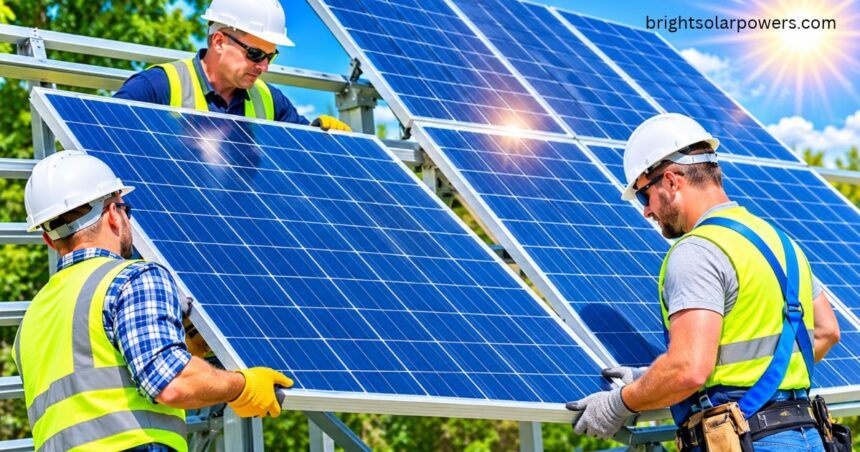
Solar panel installation near Tampa Florida takes weeks of paperwork and only a day or two on your roof.
Most owners never see the solar panel installation process until a crew arrives, so this homeowner’s guide to going solar shows every stage. You will learn who does the work, what Tampa Electric requires, and what a typical job costs.
What are the solar installation steps from first call to switch-on?
A home solar installation follows seven stages: proposal, contract, survey, permits, installation, inspection, and activation.
Your solar solar panel installationjourney usually runs several weeks to a few months, mostly because of paperwork. The crew itself needs very little time on your roof.
It starts with a solar consultation and introductory meetings, where a sales representative presents a customized solar proposal.
Next, the contract and design phase begins, and you sign a home improvement contract after a contract review and signing session that takes about an hour. After you sign, the company runs its own document review.
How does a site survey work before the design starts?
It checks your roof, your meter, and the shade around your house so the designer knows what fits. A certified site surveyor may visit in person, or the company may use satellite imagery plus your phone photos. Either way, you get a layout built for your actual home.
During a site visit, the team completes a roof evaluation and notes anything odd, such as a weak rafter.
The design and engineering team then turns roof mapping data into your engineering design, and solar designers polish the system design. Rarely, a site audit happens in person before they approve the plans.
Will my roof work for solar in Tampa?
Your roof works when it has sound roof condition, enough roof space, and little shading. A south-facing roof orientation earns the most power in Florida, though east and west slopes still produce well. Trees, vents, and chimneys count as obstructions, so designers map them first.
Your roof structure must carry the extra weight, and the crew checks it during the visit.
I tell readers to photograph their attic rafters before the first call, because that one step speeds up the review. A high solar potential rating means your roof can support a larger system.
Should I fix my roof before I add solar?
Yes, if your roof has damage or only a few years of life left. Roof repair or roof replacement costs less before the panels go up than after. Your installer should list any site improvements in writing before the rooftop installation begins.
Check your roof warranty first, since some makers void coverage when others drill into their roofing material.
Asphalt shingle roofs are the solar panel installation easiest to work on, while tile needs special brackets. Careful waterproofing around every bolt keeps Tampa’s summer storms outside.
Does solar need an electrical panel upgrade?
Sometimes. An old breaker box with no spare room cannot accept a solar hookup, and low meter capacity can limit how big your system gets. Installers check both during the survey, then quote any upgrade in writing before you sign.
Careful wiring and tight electrical connections lower fire risk, so only licensed hands should do this work.
After inspection, the utility often swaps your solar panel installation electricity meter for a bi-directional meter that counts power moving both ways. That new meter makes your bill credits possible.
What equipment goes on my roof?
A rooftop system includes solar panels, a racking system, and a solar inverter that turns direct current into household power.
Crews bolt the rails to mounting solar panel installation points on your rafters and then place the solar array. Some homes use several inverters instead of one big unit.
Good solar equipment starts with the right panel type for your budget, and the mounting hardware must suit your roof.
Installers follow manufacturer specifications and secure every rail against wind uplift, which matters in hurricane season. Together these parts form your solar power system.
Who handles permitting and approvals in Tampa?
Your installer handles permitting and approvals and files solar permits with the city or county.
The permitting process also solar panel installation involves your utility and sometimes your homeowners association. You mostly sign forms, answer a few calls, and wait for stamps.
Every job needs a stamp from the local permitting authority, also called the authority having jurisdiction (AHJ), plus any city, county or state agencies involved.
If an HOA governs your street, HOA approval can add time, though Florida law limits how far an association can block solar.
A permitting team at your installer tracks each form, and permitting fees usually appear in your contract.
How does utility interconnection work with Tampa Electric?
Your home stays tied to the electrical grid, so your utility provider must approve the hookup. Tampa Electric serves most of Tampa, while Duke Energy Florida covers other parts of the bay area. Your installer files the interconnection application for you.
The utility approval step reviews your usage, roof details, and layout.
Your grid connection also unlocks net metering, which turns extra power into bill credits under Florida rules. Expect interconnection paperwork and a utility interconnection process that moves faster when every form is complete.
What happens on installation day?
The installation crew preps the roof, runs conduit, and sets the rails before it mounts any panel. Most jobs finish in one to two days, and the racking is the loudest part. The crew then walks you through the finished system.
Trained technicians work in teams, and the lead checks every bolt against the plan. I suggest staying home that morning, because crews solar panel installation sometimes need to reach your attic or garage. Expect a short power shutoff while they tie into your main panel.
How do inspections work before I can switch on?
Every system needs a final inspection before it goes live. A building inspector from your city or county checks the work, and some places also send an electrical inspector who reviews the electrical codes side. Your installer books the visit and meets the inspector on site.
Inspectors confirm that your system meets safety regulations, zoning laws, building codes, and fire codes.
Some towns send a municipal building inspector, and Tampa-area crews follow local building codes that include Florida’s wind rules. A failed check only means a fix and a re-check.
What happens after the inspection passes?
Next, you need permission to operate (PTO) from your utility, and the approval usually arrives by email. Do not flip any switch before you read it. Turning the system on early can create real trouble with the utility.
After that final approval from utility, system activation and energization take only minutes. You turn on the system in order: the PV s solar panel installati breaker switch, then the AC disconnect, then the inverter. Your installer shows you each switch, so you feel confident.
How do I track my power after the system goes live?
After activation, open your monitoring app and check your daily electricity production. Production monitoring shows whether your system hits the target written in its design. Look at the numbers weekly during the first month, then monthly.
Solar monitoring apps, like the Enphase Enlighten app that SunPower uses, give you real-time monitoring from your phone.
Good performance tracking catches shade problems and loose connections early. Also watch your energy consumption, because many families use more power once they go solar.
Do I need solar battery storage in Tampa?
You do not need batteries to go solar, but they help during outages. A home battery backup keeps your fridge and lights running when a storm knocks out the grid. Your storage options range from one small unit to several stacked together.
Without a battery, a grid-tied system shuts off during an outage for safety, so your residential solar panels sit idle even at noon.
Batteries add cost, so weigh them solar panel installation against how often your street loses power. Ask your installer to price the system with and without storage.
How long does installation take near Tampa?
Your project timeline usually runs several weeks, because paperwork takes far longer than roof work. Palmetto reports a permit approval timeline of 2 to 4 weeks on average, while SunPower says 4 to 6 weeks. Plan on weeks to complete the whole job, not days.
A fair installation timeline also depends on your design, local rules, and HOA requirements. Start early if you must hit a deadline, such as a move-in date. Set realistic expectations with your installer, and ask for each date in writing.
How much does solar cost near Tampa?
SEIA, the solar industry’s trade group, put the national cost per watt for homes at $3.21 at the start of 2026. An 8-kilowatt solar energy system therefore lands near $25,700 before incentives. Your own solar installation cost in Tampa may differ.
System size drives the price most, followed by roof solar panel installation design and local labor costs. Ask each company to list the cost of solar panels apart from labor. Get a free quote from three companies and compare each solar quote line by line.
Which solar incentives can Tampa homeowners still claim?
The federal solar tax credit for homeowners who buy a system ended on December 31, 2025 for new installations. Florida still waives the solar panel installation 6% state sales tax on the gear and ignores the added value when it sets property taxes. Ask a tax pro how these rules apply to you.
Many guides still list tax credits, so check the date on any page before you trust it.
The solar tax credits and incentives that still matter include Florida’s exemptions plus any incentive programs your installer or utility offers. The property tax exemption also shields your home value gain from a higher tax bill.
Is purchasing vs. leasing solar the better choice?
Buying costs more upfront, yet you own the power for decades. Leasing lowers the first bill, but the company owns the equipment and follows different tax rules. Buyers who plan to stay put usually save more over time.
You can pick among financing options like cash, a loan, or a lease, and you should compare the total paid, not the monthly bill.
A financing plan needs solar panel installation approval, so lenders check your credit score and annual income. Payment options differ by company, so ask for each one in writing.
How much can I save with solar near Tampa?
Your savings start with your monthly electric bill, because a bigger bill leaves more to offset. Run a solar savings estimate through a solar savings calculator, then confirm the numbers in a real design. Never trust a figure without seeing your own utility bills.
Designers size your system around historical consumption, so share twelve months of electricity bills.
Your household energy usage shifts when you add an electric car or air conditioner, so plan ahead. Rising utility rates make each solar panel installationsaved kilowatt-hour worth more, and lower energy bills protect your budget.
How long does the 25-year warranty last, and what does it cover?
Most panels carry a production warranty that promises output near 85% of rated capacity, or better, after 25 years.
Many panels keep producing well past that point, so expect a panel lifespan of at least 25 years. Check the exact percentage on your own paperwork.
Keep your manufacturer warranty papers, and ask which warranty coverage your installer adds for labor.
Sloppy mounting can lead to a solar panel installation voided warranty, so hire crews that follow the maker’s rules. A little panel cleaning and basic solar maintenance keep your system performance steady.
Can I do DIY solar installation myself?
Almost never. Most cities want a licensed contractor to pull the permits, so homeowners face permit and inspection barriers from the start. An unlicensed installer cannot finish that paperwork either, which stalls the whole project.
Amateur electrical work on a roof and a main panel puts you at real risk.
Self-installed systems can also cause insurance complications, so solar panel installation call your homeowners insurance agent before you start. The labor money you save rarely covers one repair.
What safety risks come with a bad installation?
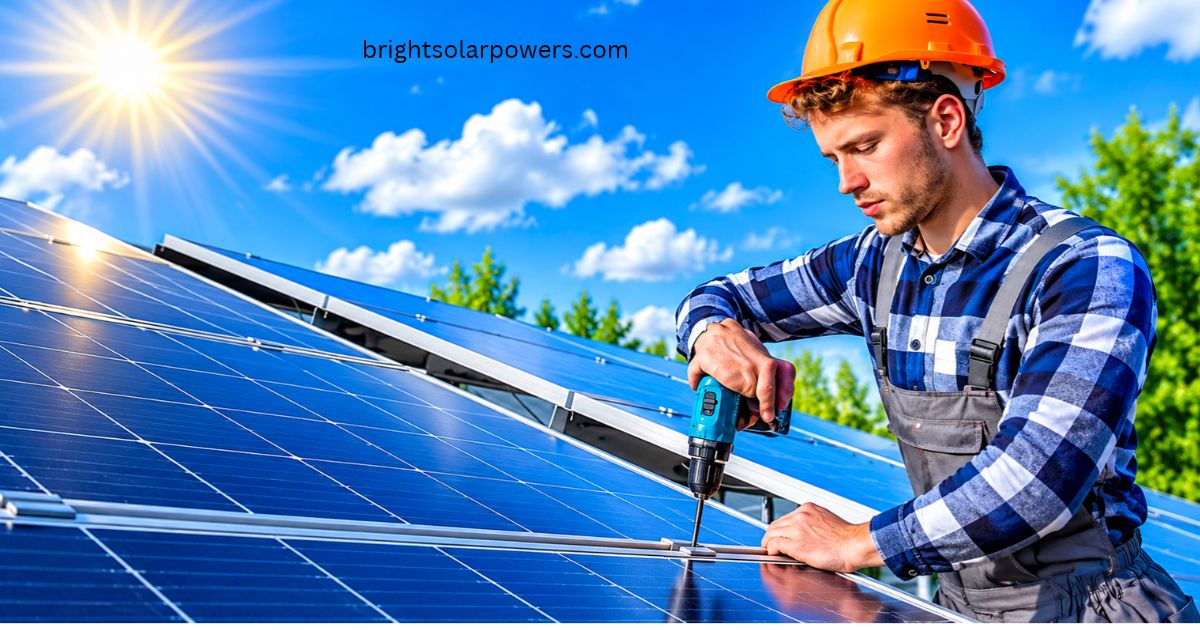
Bad work creates a fire hazard, a shock hazard, and even electrocution risk for you and your crew. Good solar safety starts with licensed workers and a clear plan. Tight bolts and neat cabling prevent many common problems.
Ask how the company handles code compliance and quality assurance, including a photo record of each job. Precision installation shows in small details, like straight rails and sealed roof holes. I look for those details whenever I walk a finished roof.
What questions to ask your solar installer before you sign?
Ask whether your solar installation company holds a license, carries insurance, and works locally, and who does the actual roof work.
Request references from Tampa-area jobs. A qualified installer puts a solar expert on the phone who answers every question without hurry.
Look for NABCEP, short for the North American Board of Certified Energy Practitioners, which sets industry standards for installer training.
Only licensed electricians should handle the electrical side, and licensed professionals should lead the rest. Walk away from any solar panel installation corner-cutting contractor, and favor a team with strong local installation experience and responsive customer support.
Is solar panel installation near Tampa worth it?
For most homes with a sunny roof and a decent power bill, yes. Going solar locks in a share of your electricity at a known cost while prices change. Florida’s tax exemptions and bill credits strengthen the case.
Your system keeps generating electricity all day, and every kilowatt-hour of clean electricity cuts the power you buy.
That small shift solar panel installation supports a bigger renewable future for Florida. It also gives your household real peace of mind when bills arrive.
FAQS About Solar Panel Installation
How long does solar panel installation take near Tampa?
The crew usually finishes the roof work in one to two days. The full process, including permits and utility approval, takes several weeks to a few months.
How much does solar cost near Tampa?
SEIA put the national average at $3.21 per watt at the start of 2026, so an 8-kilowatt system lands near $25,700 before incentives. Your quote may differ, so compare at least three.
Is there still a federal tax credit for homeowners?
The 30% credit for homeowners who buy a system ended on December 31, 2025 for new installations. Florida’s 6% sales tax exemption and property tax exemption still apply.
Do I need a permit to install solar in Tampa?
Yes, every system needs permits from your city or county. Your installer files them, and Palmetto and SunPower report waits of 2 to 6 weeks.