

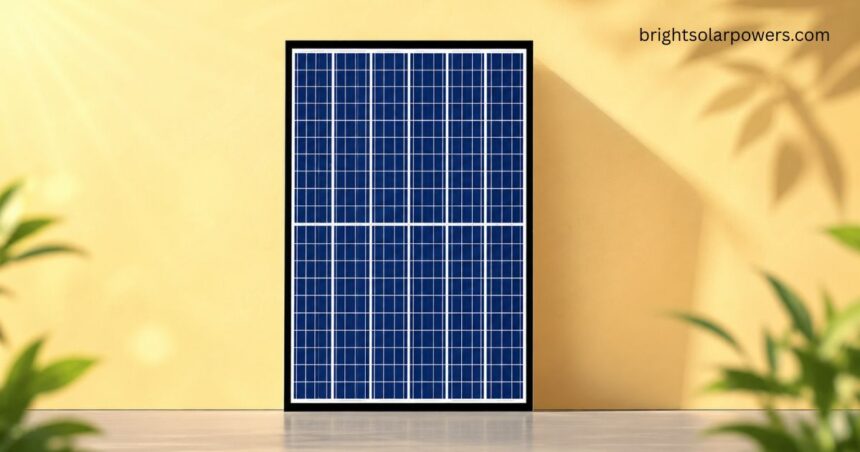
I have spent years working with solar pv module setups, and I can tell you that a solar photovoltaic modules truly changes how a building draws its energy.
Sunlight hits silicon cells, and the photovoltaic effect turns that light into usable electricity almost instantly.
Every panel relies on photovoltaic cells wired in series and parallel to build the right voltage and current for your home or office.
Manufacturers now offer monocrystalline, polycrystalline, P-type, N-type, bifacial, and thin-film options, and each one brings its own mix of efficiency, longevity, and value.
Businesses that care about sustainability objectives often look closely at environmental factors like dust, shading, and installation tilt, since these directly shape output.
I always tell my clients that picking quality components from a trusted name like Alpex Solar pays off through cost savings and stronger energy security.
What strikes me most is how renewable energy and clean energy goals push more organizations toward smarter investment decisions. A well-built module isn’t just hardware; it’s a long-term partner in energy efficiency.
Understanding these basics gives any buyer a real head start before they even compare a single quote.
Features of Solar PV Modules
Durability sits at the heart of any good module, and manufacturers use high-quality materials so panels can handle harsh weather conditions without falling apart.
I’ve seen panels survive extreme temperatures, wind, and even hail, which makes them dependable across almost any climate. That kind of toughness matters more than people realize when a roof faces years of exposure.
Strong efficiency means better energy conversion, and that benefits both residential applications and commercial applications alike. Portability also plays a role, since lightweight panels allow easy installation even in remote locations or off-grid applications far from the electricity grid.
On top of that, panels stay cost-effective because they need no fuel, which brings long-term cost savings and cuts spending on power plants and outside energy purchase.
Modern engineering adds even more value through PERC technology, which limits Light Induced Degradation (LID) and protects power output across the module’s full life cycle.
A better temperature coefficient helps panels perform well in high-temperature environments, while MBB technology (Multi Busbar) reduces internal resistance for stronger performance.
Reputable brands back this up with Tier 1 status and a certified Bill of Materials (BOM) built from trusted certified materials that meet international quality standards.
Panels rated for Salt Mist Resistance, Ammonia Resistance, and Potential Induced Degradation (PID) Resistance handle hostile environmental conditions with ease.
This resilience lowers LCOE (Levelized Cost of Electricity) and speeds up return on investment for anyone installing a system.
I always recommend checking whether a supplier runs an automated manufacturing process on modern production lines, since that level of precision and consistency in quality supports truly sustainable electricity production.
Applications of Solar PV Modules
Homes benefit the most from residential use, while factories and offices rely on commercial use to power homes, businesses, and industrial facilities.
This shift lowers energy costs while supplying steady clean energy day after day. Even remote locations without an electricity grid connection can run communication systems, lighting systems, and other essential services using solar alone.
Farmers have discovered similar benefits through agricultural applications, using solar to power irrigation systems, water pumping, and general farm operations.
Large power stations now depend on utility-scale solar to feed electricity into the wider grid, supporting entire communities at once. I’ve watched this shift happen firsthand, and it’s genuinely reshaping how rural areas access power.
On the business side, B2B applications help companies cut operational expenditures while boosting energy security and meeting ESG (Environmental, Social, and Governance) targets.
C&I (Commercial & Industrial) rooftop solar now covers factory roofs, warehouses, shopping malls, hospitals, and office buildings, easing daytime electricity demand and shrinking electricity bills.
Ground-mounted solar farms, whether captive or third-party, often exceed one MW and sit on unused land to serve industrial units directly.
Excess power from these farms moves through open access or third-party sale agreements, adding flexibility for operators.
Hybrid systems that pair solar with Battery Energy Storage Systems (BESS) allow peak shaving, load shifting, and reliable backup power during grid outages
Rural and industrial users apply the same logic to agricultural use cases and rural industrial use cases, running telecom towers and mining operations without leaning on costly diesel-powered generators.
Building Integrated Photovoltaics (BIPV) take things further by weaving roofing materials and glass façades into power-generating stations built right into the structure.
This space reduction benefit means fewer panels are needed across any solar parks installation, which saves land and money.
Working Principle of Solar PV Modules
The photovoltaic effect starts the moment sunlight strikes a panel, producing electricity inside the photovoltaic cells. That reaction releases electrons, which move through the circuit to build a steady current that can run electrical devices or charge batteries.
This is genuinely the same principle Richard Komp described years ago, and it still holds true today.
Inside each cell, silicon connects in series and parallel patterns to raise voltage and boost overall electrical output.
Photons from the sun transfer their energy transfer into the material, creating electric current that flows through an external circuit as direct current (DC electricity).
This semiconductor material delivers high efficiency in solar energy conversion, which is why silicon remains the industry favorite.
An inverter then steps in to change that power output into alternating current (AC), the form our homes and appliances actually use. This simple chain, from sunlight to switch, is what makes solar so elegant as a technology.
I find that once people understand this flow, they trust the system far more than they did before.
Types of Solar PV Modules
Monocrystalline solar panels come from a single crystal, giving them a clean, uniform structure and strong high efficiency. They cost more, but their long-term durability and efficiency rate of 15-20% make them worth it for many buyers.
Thin film solar panels rank lowest in efficiency at 8-10%, yet their low price still appeals to budget-conscious buyers.
Polycrystalline silicon carries an iridescent blue tone and reaches 15-17% efficiency, though it handles diffused light and high temperatures a bit better throughout the day.
Newer categories have entered the market too, including P-type modules and N-type modules, rated around 550Wp and 720Wp respectively.
P-type wins on simple manufacturing process and cost-effectiveness, while N-type offers slower degradation and longer lifespan.
I often explain to clients that choosing between these depends entirely on budget versus long-term goals.
Bifacial modules generate power from both sides, unlike monofacial modules, which only use the front side, so bifacial panels deliver higher output depending on site conditions and project scale.
Thin-film technology stays flexible and lightweight, unlike rigid crystalline silicon, and materials like cadmium telluride (CdTe) and amorphous silicon have replaced older options.
Whether you pick single-crystal silicon for a small area or a cheaper option for wider space availability, matching the module to your energy requirements and budget always matters most.
Factors That Affect Solar Panel Efficiency
Solar cell quality decides a lot upfront, since high-quality cells simply outperform low-quality cells across every condition.
Temperature plays a bigger role than most people expect, because extreme temperatures reduce output, so it helps to cool panels whenever possible. Getting the angle and orientation right, ideally at the right angle toward the sun, boosts energy capture significantly.
Panel size matters too, since larger panels naturally outproduce smaller panels in most setups. Cell arrangement inside the panel also shifts results, as a well-arranged panel always beats a poorly arranged panel in daily output.
Beyond design, dust accumulation, high temperatures, rainfall, humidity, and shading all chip away at performance if left unmanaged.
Environmental conditions combine with technical choices, since the type of solar PV technology, the tilt angle, and surface properties each shape results differently.
Aging of components and other operational parameters slowly reduce output over the years, which is why regular checks matter.
I always advise clients to monitor these factors closely rather than assume a panel will perform the same forever.
Conclusion
A solar module stands as an essential component of any modern solar power system, delivering clean energy and renewable energy at a price that stays genuinely cost-effective.
Built to be durable and highly efficient, these systems serve residential applications, commercial applications, and remote locations with equal ease, including large-scale power stations that power entire regions.
Thanks to the photovoltaic effect, this technology cuts our reliance on fossil fuels and offers a real path toward sustainable energy.
This is genuinely contemporary technology that keeps proving itself reliable across every use case I’ve encountered.
Understanding its structure, functioning, types, characteristics, applications, and performance criteria helps buyers make a truly informed decision that protects their long-term returns.
Partnering with a trusted name like Alpex Solar brings credible manufacturer support, cutting-edge technology, and dedicated support that strengthens operational efficiency.
Every business chasing its own sustainability initiatives should see solar as a secure, savings-oriented, and truly future-ready choice.
The growth trajectory ahead for this industry looks stronger every year, and I say that from watching it unfold across dozens of projects. Solar isn’t a trend anymore; it’s simply how smart energy planning works now.
What Is Solar PV Module? Uses, Types, and Working
At its core, a module is built from solar cells that are silicon-based, electrically interconnected, and fully encapsulated inside protective materials for lasting durability and long-term functionality.
Once sunlight reaches these cells, it triggers direct current (DC electricity) through the same photovoltaic effect we’ve already discussed. From there, alternating current (AC) flows out through an inverter, ready to serve homes, industries, and larger solar power stations.
Every module is structurally designed to handle adverse environmental conditions without losing performance. A layer of tempered glass provides protection up top, while ethylene-vinyl acetate (EVA) shields the cells from moisture, dust, and mechanical damage.
A polymer backsheet and corrosion-resistant metal frame add further insulation and support underneath.
Most panels carry either 60 cells or 72 cells, producing a power rating somewhere between 250 watts and 400 watts.
This range covers most household and small commercial needs comfortably. I’ve fitted dozens of rooftops with these exact specifications, and they rarely disappoint.
Composition, efficiency and duration
Photovoltaic modules consist of many individual cells, all interconnected and mounted inside sturdy support structures.
These structures keep panels tilted correctly and facing the sun, while output terminals collect the generated current and send it to management systems at a solar power station.
This setup runs quietly in the background for decades without much fuss.
Efficiency here means comparing electrical power leaving the terminals against the sun’s rays hitting the module surface. Standard solar radiation sits around 1,000 watt/sqm, so every square meter exposed to that level produces a certain share of usable electricity.
The average life of a typical module runs close to 30 years, which is honestly longer than most home appliances last.
The dimensions of photovoltaic modules
Size varies across PV modules depending on technology type, performance, and efficiency, whether we’re talking monocrystalline, polycrystalline, single-sided, or double-sided designs.
This affects space needed for any PV plant, since small panels run around 1.2 x 0.6 meters, standard panels measure closer to 1.65 x 1 meter, and larger panels stretch to about 2 x 1.1 meters.
Module size doesn’t always match output correlation directly, since material types shift the equation too.
Take the 430-470 W monocrystalline 3Sun M40 Bold as an example, which reaches 24.5% efficiency at roughly 1.7 x 1.1 meters and 21.5 kg weight. Building a 3 kW system typically needs eight modules at these exact dimensions of 1.754 x 1096 x 35 mm.
Larger options like the 640-680 W 3Sun B60 measure 2.2 x 1.3 meters, weigh 36 kg, and hit 24% efficiency while staying double-sided at 95%, with precise measurements of 2172 x 1303 x 35 mm.
Bifacial solar panels
Additional technologies keep emerging, though many still sit in a testing phase or development phase before reaching mature technology status for large scale implementation.
Enel Green Power, working from its Italian factory, runs the 3SUN factory, known for its bifacial photovoltaic panel built on heterojunction technology (HJT) using amorphous crystalline silicon.
I find this innovation genuinely exciting, since it pushes the entire industry forward.
These heterojunction solar cells already operate across several solar parks, and back in February 2020, they set a world efficiency record with a certified performance of 24.63%.
That combination of high performance and low deterioration makes the technology both efficient and competitive against older designs.
A double-faced panel captures sunlight from the back of panel too, adding 10-15% more electricity compared to single-faced panels.
These panels stay robust enough to last over 30 years, matching the durability of standard HJT panels elsewhere in the market.
I consider bifacial technology one of the smartest upgrades available right now.
Latest technology in Solar PV panels
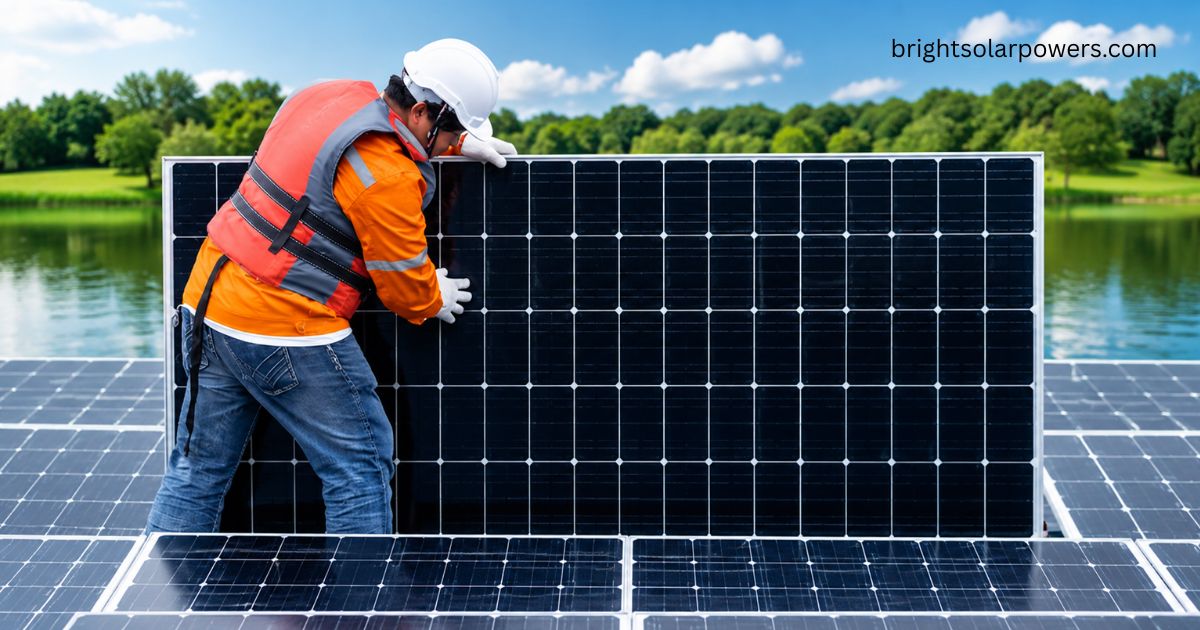
Bifacial solar panels absorb light from both front side and back side, producing higher energy output compared to traditional solar panels. Mono-PERC solar panels, built on Passivated Emitter Rear Contact design, deliver enhanced efficiency across their solar cells.
Meanwhile, smart solar panels include micro-inverters that keep panels monitored and optimized performance throughout the day.
Heterojunction solar panels blend a combination of materials to reach higher energy conversion efficiency and improved performance overall.
Half-cut solar panels raise output power by cutting reduced resistance, which lifts overall efficiency noticeably. Interdigitated back contact solar panels (IBC) use a different cell design that pushes increased efficiency even further.
Structure of Solar Photovoltaic Module
A panel’s multiple layers and elements work together to manage sunlight interaction and electricity production safely. Solar cells made from silicon rely on the photovoltaic effect, protected by EVA encapsulation and protective layers that guard against moisture, dust, and damage.
On top sits tempered glass, serving as the outer covering that allows sunlight entry while managing weather protection.
At the back, a backsheet works as a protective layer for the rear section, adding insulation where needed.
The aluminum frame gives the whole unit strength and support, while the junction box with bypass diodes ensures a safe electrical connection.
This setup also handles electricity loss prevention caused by shading, which keeps output steady even when part of the panel sits in shadow.
Factors to Consider Before Choosing Solar PV Modules
Roof orientation and a proper shading analysis matter early on, since angle, size, trees, buildings, and other structures all shape final output.
Reviewing energy consumption needs alongside future growth requirements helps determine the right system size and module capacity from day one.
I always walk clients through this step before recommending any product.
Module quality and component choice deserve real attention, so look for high-efficiency, certified modules and reliable inverters from reputable suppliers. Strong robustness, improved performance, and lower degradation rates all come from smart sourcing decisions made early.
Installation expertise matters just as much, since qualified installers and certified installers protect safety and optimal performance.
Getting efficient system operation right from the start protects your return on investment long term. This attention to detail supports genuine sustainable energy performance across the system’s entire life. Skipping these checks almost always costs more later.
Why Should Businesses Invest in Solar Photovoltaic Modules?
Rising electricity costs push many companies toward solar to protect their financial stability against unpredictable power tariffs and power sector uncertainties. Choosing solar power helps meet electricity needs while delivering high returns on investment and lower LCOE for years to come.
This kind of long-term financial stability can stretch across 25 years or more, which is longer than most equipment warranties.
Government incentives, tax benefits, and net metering policies all strengthen the financial viability of any solar investment. Beyond the numbers, solar supports energy security and broader sustainability goals that matter to modern stakeholders.
Cutting carbon emissions and reducing fossil fuels dependence also lifts a company’s ESG performance and brand reputation in the eyes of customers and investors alike.
Adding battery support brings uninterrupted power supply through battery storage solutions, ensuring reliable power supply even during outages.
This choice reflects both a smart environmental decision and a genuinely future-ready decision for any organization. I’ve seen this shift firsthand, and it consistently supports sustainable business growth across every sector I’ve worked with.
Choosing a Reliable Solar PV Module Supplier
Supplier selection deserves careful thought, since it directly affects long-term performance, safety, and overall return on investment. Buyers should check manufacturing quality, product certification, warranty period, and market reputation before making a final decision. A name like Alpex Solar stands out here, backed by a certified bill of materials and strict quality control processes.
That combination supports long-term reliability and stable performance across the system’s lifespan. Strong after-sales service
Over the decades that follow, this kind of support solar pv module helps companies meet both sustainability objectives and broader energy objectives without added stress.
FAQS About Solar Pv Module
What is a PV module in solar?
A PV module is a solar power system part built from photovoltaic cells that turn sunlight into electricity through the photovoltaic effect. It uses silicon cells wired in series and parallel to create steady voltage and current for your home.
What does PV mean in solar?
PV stands for photovoltaic, the science behind converting sunlight directly into electricity using semiconductor material like silicon. This simple, honest process is what makes renewable energy and clean energy possible for millions of homes today.
Which three are types of PV modules?
The three main types are monocrystalline, polycrystalline, and thin-film solar modules, each offering different efficiency and cost-effectiveness. Monocrystalline gives the highest efficiency rate, while thin-film stays lightweight and affordable for budget-conscious buyers.
What is a PV solar panel?
A PV solar panel is the visible part of a solar power system that houses many photovoltaic cells to capture sunlight and generate electricity. It’s a small piece of technology that quietly powers homes, businesses, and even remote communities every single day.