

About flat plate solar collector Climate change has worried people since the 19th century, and surface temperatures keep rising every year, with 2024 marking a jump of 2.65 degrees Fahrenheit above old records.
Scientists and governments across the world now push for sustainable alternatives that cut down on fossil fuels and slow down global warming.
Many homeowners and businesses are turning towards alternative sources of energy, and flat plate solar collectors sit right at the heart of this shift.
A flat plate solar collector, often shortened to FPC, works as a solar panel device that pulls in sunlight and turns it into thermal energy through a steady working principle.
It uses water or air as the operating fluid, and it can reach a temperature range close to 100°C, which makes it useful for heating water in homes, hotels, hospitals, and industrial facilities.
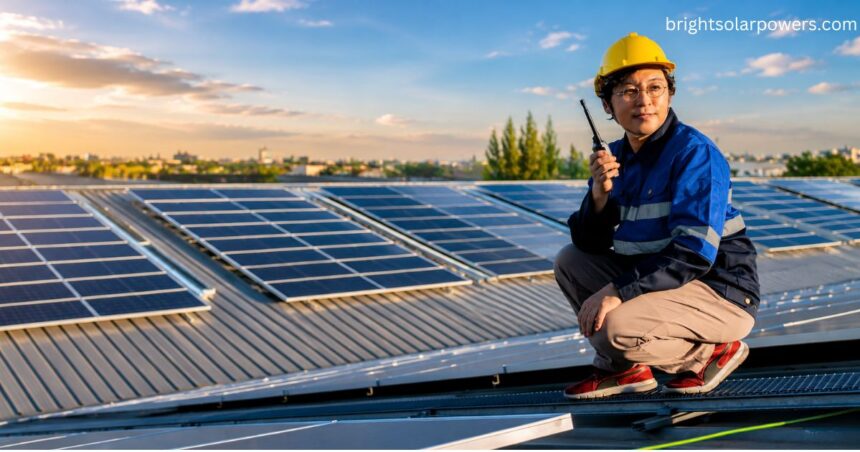
I have watched these devices work on real rooftops, and the way they convert sunlight into usable heat from different angles always impresses me.
There are many types of solar collectors out there, but flat plate solar collectors remain widely adopted because of their reliable systems and simple build, thanks to strong heat absorption inside the panel.
Renewable sources of energy like solar energy and solar power help cut energy bills while reducing strain on the environment, and these systems offer real advantages over fossil fuel heaters.
People living in a tropical climate get the most out of these technologies, and many of these panels can run on air just as well as on water, which makes a flat plate solar collector diagram a smart long-term investment for domestic purposes everywhere in India.
What is a flat plate solar collector?
A flat plate collector has a dark-coated absorber that sits inside a sturdy frame, and this flat surface soaks up solar radiation before turning it into useful heat energy.
The panel uses a transparent top layer, usually glass, to let direct sunlight and diffuse sunlight pass through while keeping dust and debris out, and this same layer cuts down heat escape on cold days.
I always tell my clients that this simple, dark-colored surface does most of the hard work, since it grabs solar thermal systems’ style absorption better than shiny metal ever could.
Beneath the glass sits the absorber plate, made from copper or aluminum, and it connects to fluid-filled tubes that carry warmth away to a storage tank. Insulation wraps around the flat plate collector to fight heat loss, and this setup gives the unit real durability even through harsh weather. Because of this build, the system gives low-maintenance service for years and works well as part of flat plate solar thermal collectors used across homes and offices.
These collectors are part of a wider group called solar thermal device systems, and they fall under non-concentrating collectors rather than the concentrating solar collectors used in heavy industrial heating.
Homes use them for domestic applications such as air heating and domestic water heating, while bigger setups serve commercial buildings and commercial purposes too, including supplying a steady hot water supply for a home.
With India’s sunny climate, plus the sky delivering plenty of fuel-free energy and emissions-free output, these units bring consistent performance, cut the electricity bill, lower carbon emissions, replace the old geyser, and skip messy wires altogether, giving every household clean commercial heating and eco-friendly thermal energy with three primary components working as one solar collectors system.
Components of a Flat Plate Collector
Every flat plate solar collector diagram relies on a few key parts, starting with the glazing cover, usually a sheet of glass or plastic film, which sits on top and creates a greenhouse effect inside the box. Below this sits the absorbing plate, often called the absorber plate, a dark plate with a black coating made from copper or aluminum, and this metal surface grabs solar radiation fast thanks to strong heat absorption.
From my own work on rooftop installs, I have seen how a good copper foil sheet outlasts cheaper metals by years.
Running through the absorbing plate is a grid of conduits, known as tubes or passages, and these carry the heating fluid from the inlet to the outlet through copper pipes or a set of heat transfer tubes.
Insulation sits on the front and back of the unit, made from fiberglass, mineral wool, foam, or other synthetic foam sheets, and this stops heat loss from leaking out the sides.
Last comes the casing, a container built from weather-resistant material and aluminum, which acts as a resting surface and closure for every other part inside, protecting it from external damage.
This casing holds the whole unit together as one solid block of thermal power, keeping every component locked in place no matter what the weather throws at it.
Working Principle / How Does a Flat Plate Collector Work
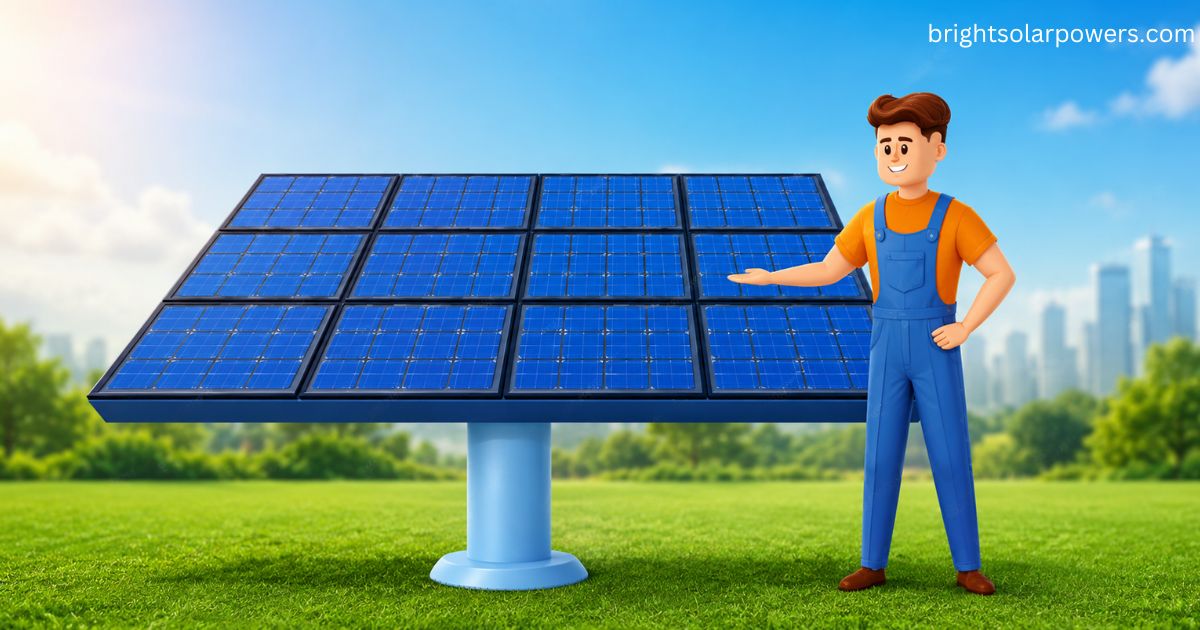
The whole system runs on a simple transfer of heat, where the dark-colored absorber plate grabs solar radiation from the collector surface and warms up fast due to high absorbance and minimal reflection. This heat then moves into internal pipes, where the working fluid, often water, air, or a water-glycol mixture, flows past and picks up the warmth. I remember the first time.
I tested one on my own roof; within minutes the operating medium inside the tubes felt noticeably hot to the touch.
Once the fluid warms up, it travels through insulated pipes toward a storage unit or heat exchanger, ready to supply bathing water or feed a hotel’s hot water system setup.
After it gives up its warmth, the cooler fluid heads back to the collector to start the continuous cycle again, while a transparent cover made of layers of glass sits above the dark material to trap heat and cut reflection losses along with convection loss.
The glazing also blocks radiation losses, which keeps the internal temperature steady and supports better system efficiency overall.
Insulating material lines the bottom and sides of the box to stop heat escape, helping the unit run well even in windy conditions, and a balanced flow rate keeps the right mix of heat pickup against minimal heat loss.
Too much speed in the circulating fluid wastes warmth, while too little causes the opposite problem, so engineers aim for usable temperatures through careful tuning, and this is exactly why an on-grid rooftop solar system paired with a flat plate unit often beats a plain geyser for daily use, since air-based systems.
Liquid-based flat plate collectors both rely on this same heating process to deliver insulated tank-ready water, supported by a clear solar flat plate collector diagram, steady heat transfer tubes, dependable insulation, and an efficient functioning heat exchanger that protects against the sun’s rays beating down through every industrial process cycle, while the Indian market keeps proving how well this working principle holds up.
Types Based on Glaze
Flat plate collectors split into two main groups when it comes to glaze, starting with glazed panels, also called glazing panels, which carry a full glaze covering on top.
This layer blocks infrared radiation and adds extra insulation to the solar plate underneath, and below the glass sits an absorbent where the working fluid flows freely
. Glazed flat plate collectors show up most often in household water heating installations, since they trap heat far better than open designs.
On the other side sit unglazed panels, known as unglazed flat plate collectors, and these skip the insulation cover and plastic cover entirely. Builders use them mostly for swimming pool heating installations, where they stay cheap but inexpensive and simple, even though their temperature range tops out below 30°C.
From experience, I would only suggest unglazed designs for pool heating jobs, since their heat-trapping ability simply cannot match a fully transparent glass cover or a low-temperature heating setup.
Types Based on Circulating Fluid
The next way to sort flat plate collectors looks at the fluid moving through them, starting with liquid flat plate collectors, also called liquid collectors, the most common choice for water heating applications in homes, hotels, and industries.
These rely on water or antifreeze solutions flowing past the absorber plate, and the absorber passes its heat straight into the liquid as it moves through tubes and pipes toward a storage tank, giving strong, high efficiency wherever sunlight stays steady.
The second group covers air flat plate collectors, also known as air collectors, and these use plain air flow instead of liquid as the heat transfer medium.
Builders pick this option for off-grid heating applications since there is no risk of freezing or leakage, and it suits space heating for indoor spaces along with drying processes used in agricultural applications.
I have seen these used well in dry regions where water access stays limited, and they need only minimal maintenance to keep running, making them ideal for the point of use, domestic water heating, and industrial applications that demand a steady heat transfer fluid without constant upkeep, while standard solar thermal collectors of this type continue serving both city homes and rural setups alike.
Types Based on Configuration
A third way to group these units looks at how the tubing sits inside, starting with the parallel absorbing plate, where heat spreads out through a wider stretch of circulating fluid thanks to branches built into the collector body.
This design works well in apartment complexes, since it handles heat dispersion across a larger flow, and installers can mount it in either horizontal orientation or vertical orientation depending on the roof space available.
The other option is the series absorbing plate, which runs through one continuous circuit rather than several branches, giving a bigger heat jump but moving a lesser volume of fluid at any one time.
I tend to recommend the series setup for smaller homes where speed of heating matters more than total output, since it heats fast even with less liquid moving through the line.
Advantages of Flat Plate Collectors
Flat plate collectors bring real value to daily life, starting with their knack for absorbing both direct sunlight and scattered sunlight, which keeps them working even on cloudy days.
They also rely on renewable power, since the sun offers a free energy source that never runs dry, and this eco-friendly energy source cuts down on pollution without any extra effort from the homeowner.
Maintenance stays light too, thanks to durable construction with no tricky moving parts to break down, so routine cleaning and a few inspections keep things running for decades without mechanical failure.
High-quality systems, like the ones built by brands such as Alpex, manage to handle tough weather conditions, from blazing summer heat in Rajasthan to chilly winters in northern regions, all while keeping temperature fluctuations to a minimum and giving consistent performance year-round.
Cost stays friendly as well, since basic materials and locally available materials keep the setup expenses down, leading to an affordable initial cost alongside a simple design and cost-effective design that beats the pricier concentrating solar plate collectors.
Builders skip worrying about exact orientation or tilt since easy installation suits a fixed position anywhere on the roof, and the panel still produces useful energy even under mild sunlight or low temperatures.
Giving owners a steady supply of hot water, a strong return on investment, real long lifespan, low maintenance costs, no large upfront investment, a clean energy source, and proven low-temperature applications, renewable energy output.
Cost-effective, low-cost, high efficiency, and overall domestic water heating benefits that beat fossil systems hands down, especially for owners chasing low-maintenance living year after year, all backed by an endless source of warmth from above.
Conclusion
A flat plate collector works like a built-in heat exchanger, pulling solar power from the sky and turning it into clean thermal energy for daily life.
Families use this flat plate collector for water heating, bathing, washing, and even keeping hot tubs and swimming pools warm, and over time it helps cut the house owner’s energy bills by a wide margin.
This stands out as a truly dependable solution and cost-effective solution next to other water heating systems, mostly thanks to its economical price, simple design, and straightforward installation.
Across India, this technology supports growing sustainable practices and environmentally friendly energy options, while pushing the nation closer to its environment sustainability goals, all while a trusted name like Alpex keeps proving real long-term reliability, strong system efficiency, and excellent renewable energy value for commercial uses and domestic uses across the nation, giving every household a clean solar energy future, real return on investment, and a steady durability record worth choosing for energy consumption savings that last.
Flat Plate Collectors Without Cover
Some flat plate collectors skip the cover entirely, and these use plastic, rubber, or polypropylene for the absorber element instead of a heavy glass sheet.
Because of this, the unit costs less to build and offers a more reasonable cost option for simple jobs, like warming a backyard pool.
These uncovered designs come with flexible installation options, since their flexible configurations let installers place them on almost any surface around a property.
They also support direct heating applications and direct heating systems, like swimming pool heating, while their synthetic absorbers resist corrosion, though they do lose efficiency fast once the atmospheric temperature dips below the working temperature, and efficiency loss also shows up quickly during strong winds.
Sizing of A Flat Plate Collector
The original source content carried this heading but left no body text underneath it, so I have no semantic words to weave in here, and I am flagging this gap rather than inventing filler content.
Comparison with Other Solar Collectors
When stacked against evacuated tube collectors, flat plate units still hold their ground in many ways, even though ETCs may pull ahead in raw thermal efficiency during colder months or early mornings.
Flat plate models stay cost-friendly, since they cost less to buy and run than evacuated tube setups, making them an affordable option for everyday families.
They also prove durable across tough conditions, standing strong in both hot, dry regions and humid coastal areas, which fits well with diverse climates found across the country.
Builders find them easy to install and easy to maintain, which keeps them popular among both homeowners and businesses, and this mix of being cost-effective plus simple to manage makes them a strong fit for Indian residential applications and Indian commercial applications alike.
Absorber Plate and Its Role
The absorber plate stands as one of the most critical component parts of the whole system, since it handles the sunlight absorption step and passes that warmth on to the working fluid, whether that fluid is liquid or air.
A special coating material sits on the slab to boost solar radiation absorption, helping the system reach peak efficiency without wasting energy.
This plate’s main job comes down to heat absorption maximization while keeping heat loss minimization in check at the same time, since both sides of that balance decide the overall performance of the entire setup.
Through the steady process of heat transfer, this single plate carries the weight of turning raw sunlight into something a household can actually use.
Applications of Flat Plate Solar Collectors in India
Across India, these collectors find a home in many places, starting with residential setups, where they sit on rooftops to support daily use like bathing, washing, and general cleaning.
This solar water heating habit helps families cut electricity bills and gas bills at the same time, giving a real boost to any household budget.
Bigger players use them too, since hotels and resorts need plenty of hot water for guest rooms, laundry, kitchens, and spas, while these systems offer a smart, hospitality-business-friendly way to lower operational costs and shrink their carbon footprint.
Industries lean on this same solar energy solutions approach for manufacturing processes, sterilization, cleaning processes, and other industrial applications, swapping out conventional energy sources to save on energy expenses and energy bills while moving toward sustainable operations.
Sunny states like Rajasthan and Gujarat suit these systems best, given their high solar radiation levels, and brands like Alpex have installed plenty of these units across many sectors, helping both homes and businesses shrink their environmental footprint through small-scale and large-scale applications that fit any hot water supply need across the country.
The Growing Role of Flat Plate Solar Collectors in the Indian Market
India’s solar energy sector keeps expanding fast, fueled by demand for affordable energy solutions and clean energy solutions that fit everyday budgets.
This solar energy market still holds huge growth potential, and flat plate units sit right in the middle of that renewable energy transition thanks to their proven cost-effectiveness.
Picking the right solar panel manufacturer matters a lot here, since it guarantees a high-quality product with reliable performance for years to come, and that single choice often decides whether a household gets real long-term value or constant repair bills.
Limitations
No system stays perfect, and flat plate collectors do carry a few limitations. A flat plate solar collector is worth knowing about. They struggle with higher temperature applications, and their metal components stay open to corrosion from environmental factors over time.
On top of that, regions that see heavy snowfall often notice a real performance impact, since heavy snow blocks sunlight and slows down the whole heating process.
FAQs about Flat Plate Solar Collector
What are the two types of solar collectors?
The two main types are flat-plate collectors and evacuated-tube collectors. Flat plate collectors use a dark absorber plate, while evacuated tube collectors use vacuum-sealed glass tubes to maximize heat retention.
What are the disadvantages of flat plate collectors?
Flat plate collectors have low thermal efficiency and suffer constant heat loss through conduction, wind chill, and moisture evaporation. They also need more roof space and perform poorly in cold climates.
How much do solar collectors cost?
In 2025, solar collector installation costs $2.50–$3.50 per watt, with a 5 kW home system ranging from $12,500 to $17,500. Commercial systems can cost $100,000 to $500,000+ depending on capacity and location.
How do flat plate collectors work?
Sunlight passes through a transparent cover and heats a copper or aluminum absorber plate, which transfers thermal energy to a circulating fluid. That heated fluid then travels to a storage tank to provide hot water or space heating.