

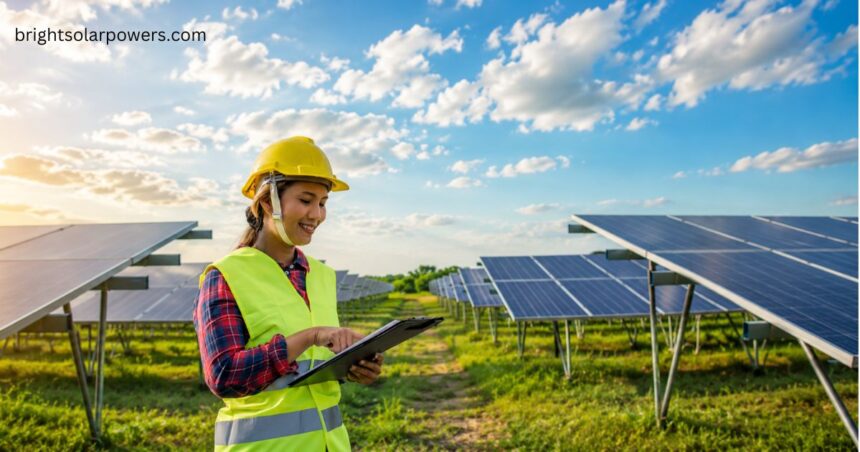
A Solar Power Plant captures sunlight and turns it into usable power for homes, industries, and institutions. Engineers call this kind of setup a solar energy plant or simply a Solar Power Plant, and many people just say SPP for short.
Unlike conventional energy plants that burn coal or petroleum, this system relies on the sun as a clean energy source.
The whole operating system runs on solar radiation, which includes light, heat, and even ultraviolet radiation that the panels turn into usable power. This process is ecological because it does not release polluting elements or greenhouse gas emissions into the environment.
Because the sun shines on Earth every day, this energy source is unlimited and never runs dry like non-renewable sources.
Solar panels and electrical components turn sunlight into electricity in a process that stays quiet and clean, which is why everyone praises these setups for being eco-friendly and environmentally friendly at the same time.
Solar thermal power plants and solar photovoltaic plants are the two main branches of this technology, each using natural light differently to build a sustainable production model. My own experience installing rooftop units taught me that cutting reliance on conventional fuels and nonrenewable energy feels efficient and rewarding, and it proves that renewable energies and green energy truly belong in commercial spaces too.
How a Solar Power Plant Works?
A solar panel plant works like a small electricity factory, using photovoltaic cells to absorb sunlight straight from the sun. Inside each cell, semiconductor materials made of silicon push electrons into motion, and this movement creates DC electricity right away.
This whole chain shows the real solar plant working in action, and it is simpler than most people expect.
Photovoltaic technology and the photovoltaic process turn direct current into something homes and industries can actually use, but solar panels and PV systems need one more part for that job. An inverter changes DC into AC, also known as alternating current, so the grid and household appliances accept the power without any trouble.
Power Distribution then sends this electricity to homes, industries, and the wider grid network smoothly.
Batteries store extra electricity for nighttime or cloudy days, so the supply never runs short even when the sun goes down. Smart systems track performance and optimal output, with Monitoring & Control alerting owners the moment something needs attention.
From my time managing solar thermal sites, I learned that pairing PV with smart batteries gives the best, steadiest electricity around the clock.
Types of Solar Power Plant
Off-grid systems work best in remote areas where unreliable grid power makes life hard, and these setups often use batteries to keep homes running. On-grid solar photovoltaic power plants connect straight to the main electric network, so houses and offices share power with the conventional electrical energy already flowing through cities.
In Indonesia, rooftop SPP units sit on a building’s rooftop, cutting electricity bills for residential users every single month.
A hybrid setup mixes solar energy power plants with diesels or generators, giving continuous power supply even when the sun takes a break. This combination boosts reliability and works well for commercial use, government supply, and any solar power plant home solution that needs steady backup.
Solar thermal plants also fit into this mix, supporting both small homes and bigger industrial needs across the country.
A solar floater, on the other hand, floats right on the water surface of lakes and dams, which makes it wonderfully land-saving for crowded regions. This design also slows down evaporation from the water below, protecting valuable reservoirs while still producing clean power.
I have walked across one of these floating installations myself, and watching it cut electric network strain while saving land left a real impression on me.
Solar Thermal Power Plant
A central tower design uses tall heliostats, which are large mirrors that turn to follow the sun and focus solar radiation onto one single tower. This heat warms a thermally conductive fluid until it reaches a very high temperature and turns into steam, starting the whole thermodynamic cycle.
Because this eco-friendly energy source skips conventional fuels completely, it stands out as a cleaner choice for big power projects.
Steam pushes through a turbine, where mechanical energy forms and travels onward to an alternator that finally creates real electricity. Once the cycle finishes, a condenser brings the steam back to its liquid state, and the loop starts all over again without waste.
Hours of sunshine and changing weather conditions affect how well this structure performs, so engineers built a storage tank to hold extra energy for cloudy stretches.
Collector-style plants use concentrating collectors and high-temperature collectors made of concave mirrors, reaching well past 250°C in some setups. These mirrors sit on a movable frame that shifts position throughout the day to capture maximum heat from the sky above. Having visited a thermal plant during a research trip, I noticed how every mirror, fluid line, and turbine works together like a finely tuned orchestra chasing the sunlight.
Solar Photovoltaic Power Plant
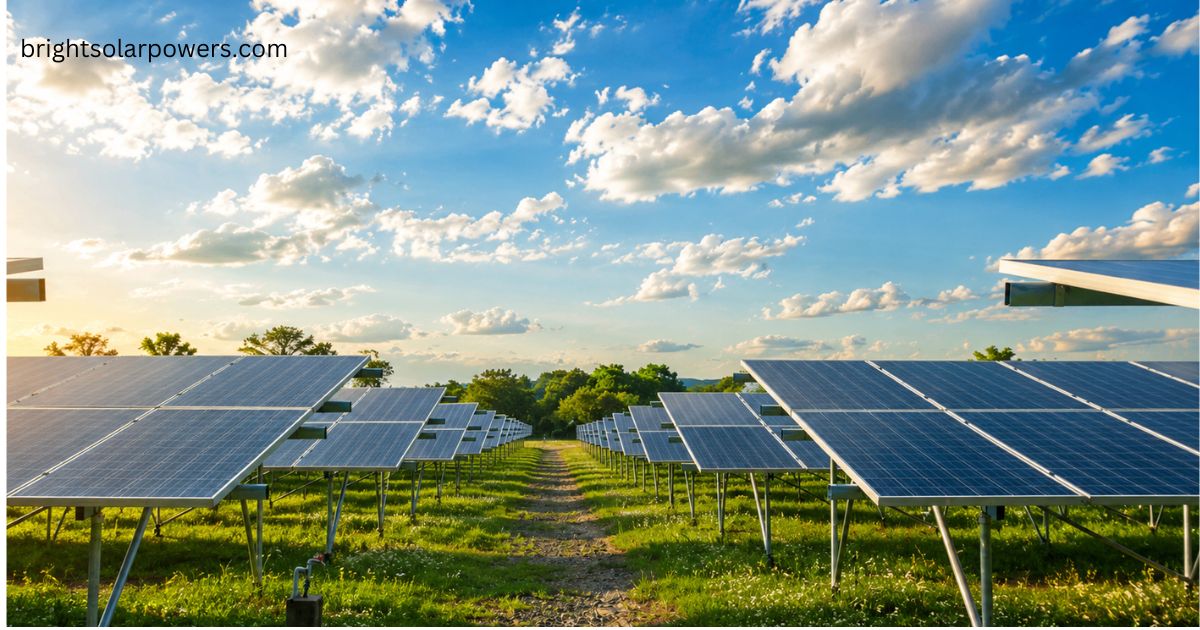
Photovoltaic solar cells capture photons and light energy from the sun, and the external layers of each cell push electrons into motion to create direct current electricity. Builders connect many solar cells in series inside one module, then wire several modules in parallel to form strings of photovoltaic panels.
Monocrystalline and polycrystalline solar panels differ slightly in silicon structure, but both rely on the same basic photon-driven reaction.
A current inverter takes that raw output and turns it into alternating energy, while a transformer adjusts voltage so power travels safely along electrical grid lines to consumption centers This short-term evolution data helps operators plan ahead and avoid sudden drops in electrical supply.
Solar farms spread across open land, while solar communities place amorphous solar panels on rooftops for self-consumption right inside neighborhoods, cutting energy costs for everyone involved. From walking through a solar farm myself, I noticed how every row of panels lines up with careful spacing to catch maximum intensity throughout the day.
That hands-on visit taught me that even small wiring choices, like series versus parallel, change how much power a plant truly delivers.
The Advantages of Solar Power Plant
Solar power brings real benefits to any community, starting with energy independence that frees households from conventional electricity providers and shifting energy price dynamics. Because the sun never stops shining, this unlimited resource removes the fear of running out, unlike rare energy or nonrenewable fuel reserves buried underground.
The whole energy conversion process stays clean, since it avoids pollutants and protects the environment for the long-term.
People love solar panels because they cut conventional electricity costs and lower the operational costs tied to running houses and buildings every month. This shift away from fossil energy also reduces emissions and pollution, making solar one of the most environmentally friendly renewable energy solutions on the market today.
Demand keeps rising because families want to sustainably manage their budget without worrying about greenhouse gas emissions piling up.
Properties with solar setups often see a higher selling price, since renewable energies now carry real property value in the housing market.
Yes, the initial installation costs money upfront, but most owners agree the long-term savings make every rupee worthwhile. I have spoken with homeowners who installed panels years ago, and every single one says the payback period felt shorter than they first expected.
Components of a Solar System Plant
Every solar PV power plant needs a few key components working together, starting with Solar PV modules that catch sunlight on the roof. A Mounting device holds these modules firmly in place, while Cables and connectors carry the current safely between each part of the system. An Inverter then changes that current for daily use, completing the core setup.
Safety devices guard the whole system against faults, protecting both residential homes and bigger industrial applications from electrical risk. A Battery stays optional in many setups, but it gives extra backup power whenever the sun goes down for the night.
Finally, a monitoring system watches everything around the clock, so any small problem gets caught before it grows into a bigger one.
Solar Power Plant for Homes in India
Across India, rising electricity costs push more families to choose a home solar plant that lowers monthly electricity bills right away.
Solar plant home setups also give reliable backup during a grid failure, so the lights stay on even when the main supply goes dark.
Demand keeps growing because owners notice their property value climbing once panels go up on the roof.
A home solar plant shrinks the household carbon footprint while still powering daily life without any real sacrifice. These systems also promise long-term returns, often paying back their cost many times over across 25+ years of steady use.
From speaking with several homeowners in smaller Indian towns, I learned that the peace of mind during a sudden grid failure matters just as much as the money saved.
Solar Power Plant of India
India now ranks among the top solar-generating countries, thanks to strong government schemes, helpful subsidies, and steady support from state policies. The solar power plant of India keeps expanding fast, with solar electric plant installations spreading across Rajasthan, Gujarat, Karnataka, Tamil Nadu, and Maharashtra. These states lead the way because their open land and sunny climate make solar technology easy to scale.
Many big companies have also signed corporate sustainability pledges, promising to add more solar capacity to their operations every coming year. As policies improve and subsidies grow more generous, the path forward for India looks brighter than ever before.
Watching this growth firsthand across a few of these states, I can say the pace of change over just the last few years has genuinely surprised me.
How Solar Energy Reduces Electricity Bills?
A well-built solar PV power plant can cut electricity costs by 60–90%, depending on how much power a home or business actually consumes.
Businesses and industries both notice the difference quickly, since high efficiency panels lower bills almost right after installation. Homeowners with a solar power plant home setup often report improved ROI within just a handful of years.
A properly engineered solar energy plant also needs only minimal maintenance, which keeps repair costs low for the entire lifetime of the system. Most setups come with a long lifespan, often lasting decades while still producing steady, reliable power.
Talking with local business owners about their savings, I noticed real pride in their voices, the kind that comes from watching a smart investment pay for itself year after year.
FAQs about Solar Power Plant
What is the cost of a 1 MW solar power plant?
A 1 MW solar power plant usually costs between ₹3.5 and ₹4.5 crore in India.
The initial installation feels heavy on the wallet, but long-term returns make it worthwhile.
What are the 4 types of solar devices?
The four main types are on-grid, off-grid, hybrid, and solar floater systems.
On-grid connects to the main electric network, while off-grid relies on batteries for remote areas.
What is the cost of a 1-acre solar plant?
A 1-acre solar power plant typically costs around ₹4 to ₹5 crore in India.
This setup usually generates 1 MW of clean power, making every inch of land work hard for you.
What is a solar power plant, and how does it work?
A solar power plant captures sunlight through solar panels and turns it into usable electricity.
Photovoltaic cells create DC, which an inverter then converts to AC for daily use.