

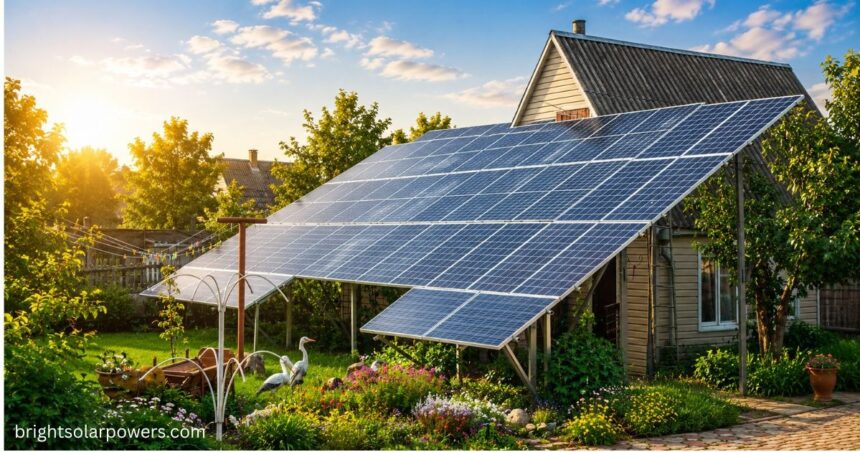
I have spent years looking at how homes adapt to changing power needs, and the hybrid solar inverter keeps coming up as the device that changes the game.
It gives energy autonomy to homeowners who once felt stuck choosing between grid connectivity and stored power.
Hybrid Solar Inverter: A Smarter Way to Power Your Home
A good hybrid solar inverter acts like an intelligent brain that controls power flow across your whole solar energy system.
This device takes DC electricity from your solar panels and turns it into AC electricity that your home appliances can use right away. It also manages a battery inverter function, so it handles charging and discharging of your batteries without you lifting a finger.
Rising energy prices and growing environmental consciousness have pushed more families toward this kind of solar technology. A solar inverter alone cannot do everything a hybrid solar inverter does.
Older grid-tied solar systems leave you exposed during grid outages, since they shut down the moment the utility grid drops. That gap in reliable power is exactly why resilience matters so much in today’s energy conversation.
A PV system captures sunlight even during low sunlight hours, though output naturally drops. The real skill of a hybrid solar inverter shows up when high energy demand hits your home at the same time the sun fades.
Your system stores excess solar energy in a solar battery storage bank rather than letting it go to waste. That stored reserve becomes part of a wider battery storage system, ready the moment you need it.
A solid grid connection keeps things balanced, and solar panel charging continues feeding that reserve through the day. The electricity grid still plays a role even with batteries on board, since a grid-tie inverter can send leftover power back when storage is full.
All of this runs through a single unit, which is the whole point of combining a direct current converter with a battery controller. Built-in monitoring and charge control keep every part of the process safe and efficient.
I have watched homeowners cut their bills simply by letting the system handle energy management on its own. Long-term sustainability and real cost savings are the two results people notice first. Once you understand energy consumption patterns in your own home, this device starts to feel less like a gadget and more like a partner.
What Is a Hybrid Solar Inverter?
A hybrid inverter sits at the center of your setup, acting as the central energy manager for everything connected to it. Unlike conventional inverters, which only handle one job, this device blends a charge controller with full inverter duties.
It also covers what a standalone battery inverter would normally do, all from inside one box. Homes that want backup without going fully off-grid gain the most from this setup. The unit pulls DC electricity from your solar panels, turns it into AC electricity for your home appliances, and still talks to the utility grid when needed.
A grid-tied solar inverter built this way gives you flexibility that older systems never offered. Picture this single device as the traffic controller for every watt your home produces or buys.
It can route power to your batteries, draw from your solar battery bank, or release excess solar power back to the grid, all without you touching a switch. When the grid fails, battery power kicks in fast enough that most people barely notice the uninterrupted supply continuing. That kind of seamless energy manager behavior is what makes the whole concept worth the investment.
How Does a Hybrid Inverter Work?
The process starts with DC to AC conversion, the basic job every inverter handles, but a hybrid unit pushes further. Maximum Power Point Tracking, known as MPPT, squeezes the most output from your panels no matter the weather.
If your batteries are already full, the system moves into grid export, sending power out through net metering arrangements that earn you credits from your utility. Some homeowners describe their setup as a mini power plant, and honestly, that description fits well.
Battery charging happens automatically whenever there is extra power sitting unused. Once the sun goes down, battery discharge takes over and provides backup power through the night. During low solar production, the inverter pulls from storage instead of asking the grid for help right away.
This same logic drives grid outage protection, switching your home to stored power the instant a power cut hits. That switch is what gives your home real blackout protection when storms or faults take down the lines.
If batteries run low and panels are not producing enough, grid supplementation steps in to fill the gap. The goal throughout is self-consumption, since using your own power beats buying it, and that habit lowers your electricity bills over time.
Power continuity depends on smooth coordination between every part of the system, including AC-coupled components that link batteries to existing solar setups. Regulation of power supply keeps the voltage steady even as sunlight changes minute to minute.
Good power monitoring software shows you exactly what is happening through a display screen or a smartphone app, which also helps catch faults early. Maximum Power Point Trackers constantly check battery voltage against panel output to find the sweet spot for charging.
This matters because solar panels react to sun brightness, solar panel temperature, and shifting electricity usage throughout the day. A well-tuned photovoltaic system adjusts to all of this through accurate DC-to-AC power conversion, keeping your home running without interruption.
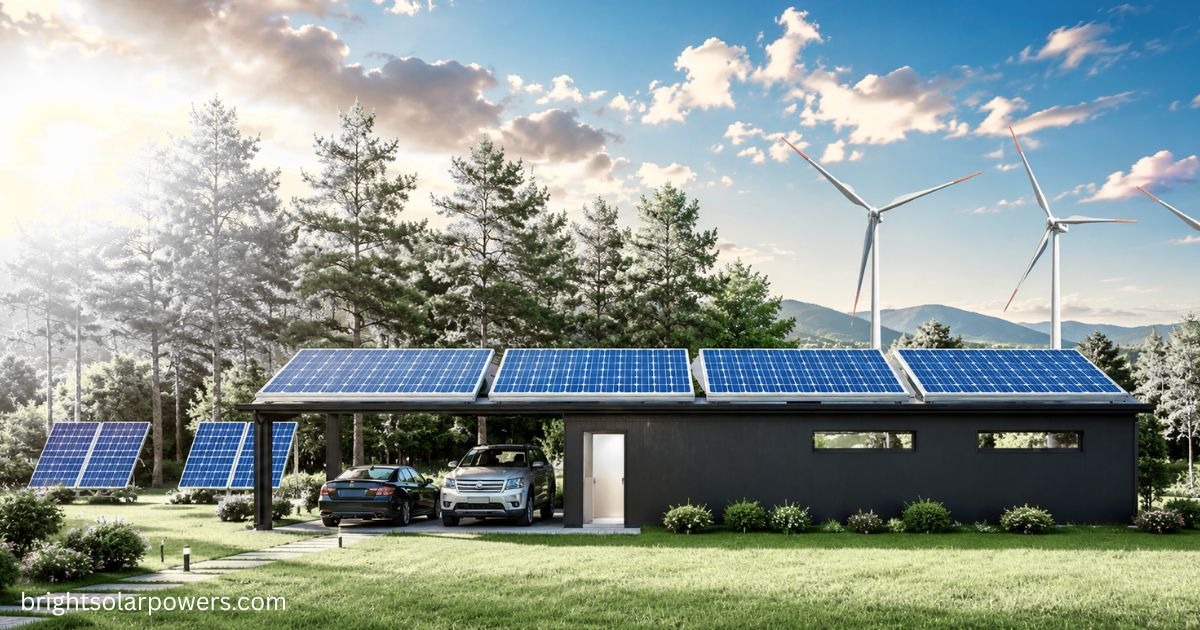
Functions of a Hybrid Solar Inverter
This device covers a wide range of jobs that used to need separate boxes wired together. It handles the grid-tie function inverter role while still managing the internal control systems that keep everything synced.
A built-in charge controller oversees battery charging from start to finish. It also draws on renewable sources of energy whenever the sun cooperates, switching smoothly to battery power or the utility grid when it does not.
Beyond that, it takes care of regulating energy across the whole setup, balancing supply against demand in real time. Controlling and monitoring the entire system from one place saves you the hassle of checking multiple devices.
Advantages and Benefits of a Hybrid Inverter
Integrated battery storage gives families real energy independence, and that independence brings genuine reliability when the weather turns rough. A dependable backup power supply means grid outages stop being a source of stress for critical systems like fridges or medical equipment.
This kind of resilience is something I have seen change how people plan their whole day around the weather. Cost savings show up fastest when you shift usage toward peak-rate hours through smart peak shaving, trimming your electricity bills month after month.
Net metering programs add credits on top of that, rewarding you for the power you send back. Optimal energy management through built-in monitoring and control features lets you fine-tune self-consumption, off-peak hours charging, and export-to-grid timing based on your own habits.
Every choice you make here protects your solar investment while shrinking your carbon footprint. System flexibility and scalability mean a grid-tied setup today can grow into a stronger backup power source tomorrow, thanks to modular systems that expand alongside your battery storage and solar panels.
Futureproofing matters as smart grid technologies spread, and a hybrid setup keeps your energy infrastructure ready for whatever comes next. The utility grid and your home battery work as partners rather than rivals.
You can run your solar power systems to store excess energy, and the grid-tie function even lets you sell excess energy back, which is why people call these “hybrid grid-tie inverters” in the first place.
Automatic switching capability moves you between traditional sources and renewable sources without any manual input, guided by charge monitoring systems working quietly in the background.
The result is flexible power solutions that adjust to your home rather than forcing you to adjust to them. Better power production, steadier power supply, and smarter power management all come from the same source.
OEM hybrid solar inverter manufacturers keep pushing this further, building units that double as rectifiers so they can charge a DC battery directly from grid power when needed.
Disadvantages of Hybrid Inverter
Being a new technology, the hybrid inverter price sits higher than older single-purpose units, and that upfront number can scare off first-time buyers.
Even so, long-term cost benefits usually make up the difference over a few years of use, so the power inverter pays for itself eventually. Upgrading existing systems can get messy, especially in older homes never designed with batteries in mind.
Future power infrastructure upgrades sometimes hit walls when early design considerations were skipped during the first installation. I have seen homeowners run into this exact issue when they tried to add storage years after their original solar setup went in. Planning ahead avoids most of these headaches before they start.
Types of Hybrid Inverters
The inverter/charger hybrid suits off-grid power applications best since it combines a battery charger with full inverter duties in one box. Power comes from a shore connection until it hits a setpoint limit, at which point the battery steps in to avoid overloading the shore supply.
Once the extra load drops, the system goes back to charging batteries as efficiently as it can. An Inverter/Charger/Solar Charge Integrated model packs MPPT solar chargers directly into the same hybrid unit, which suits anyone short on space.
The catch with this kind of solar power setup is that one component failure can leave you with an inoperable system.
A grid-tie hybrid model takes a different approach since it can send power back to the grid, almost like selling power to your local power provider. That setup can lower the costs tied to pulling power from the grid during expensive hours. These models do face stringent regulations, so you will need utility permission before switching one on.
Can a Hybrid Inverter Help Me Go Off-Grid?
Anyone serious about off-grid living should take a close look at this technology, since it can combine electricity from multiple sources into one usable single stream.
Pair it with a generator or a full solar power system, and your batteries charge from whichever source makes sense at the time. That kind of hybrid solar inverter, a smarter way to power your home setup, brings the real conveniences of conventional house living to places far from the nearest power line.
FAQs about Hybrid Solar Inverter
What is a hybrid solar inverter?
A hybrid solar inverter combines solar power, battery storage, and grid electricity in one smart device. It gives you clean energy plus reliable backup, all from a single unit.
How does a solar hybrid inverter work?
It converts DC power from solar panels into usable AC power while charging your battery bank. When sunlight or stored power runs low, it smoothly switches to the grid.
What are the disadvantages of a hybrid solar inverter?
A hybrid inverter system costs more upfront and needs extra care due to added battery storage. A technical fault can also disrupt both your solar power and backup power at once.
Can I run AC on a hybrid solar system?
Yes, a well-sized hybrid solar system can easily run an air conditioner and other appliances. Just match your solar panel capacity and battery storage to the AC power load.
How many AC can run in a 3kW hybrid solar system?
A 3kW hybrid solar system can typically run one 1.5-ton air conditioner with a few basic appliances. Running two ACs needs higher solar panel capacity and stronger battery backup.